
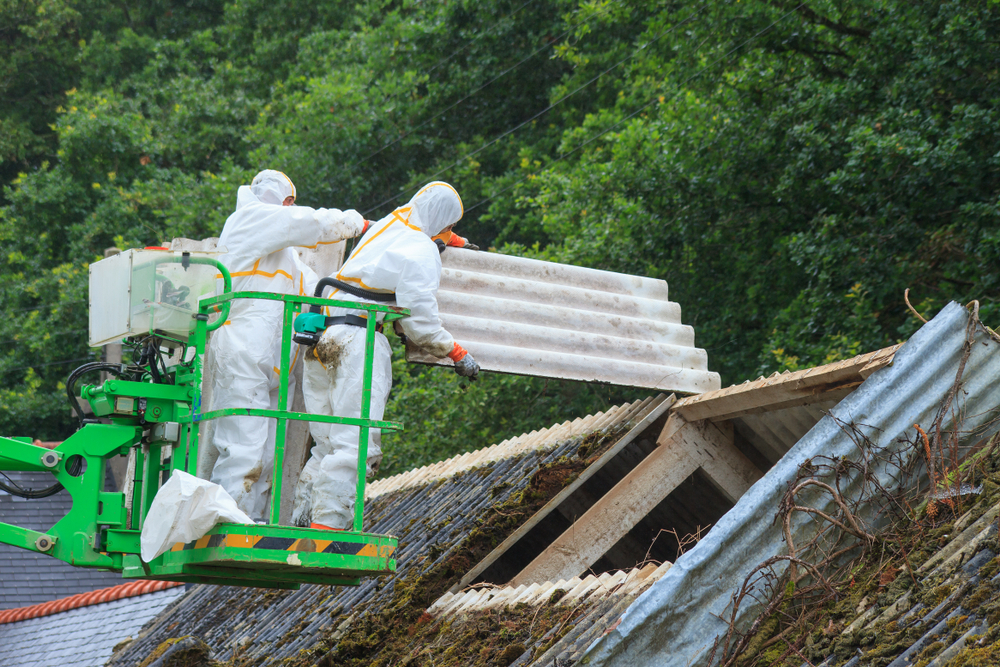
Most property in New South Wales built or renovated before 1990 is likely to contain asbestos materials.
In this guide, learn about the different types of asbestos and the health problems they can cause. You will also see the professional asbestos removal NSW process that keeps you and your family safe.
Knowing the risks, rules, and safe removal methods will help you stay healthy and follow NSW law.
Asbestos in NSW Buildings
The statistics are striking. Asbestos resisted fire and lasted for many years. It was cheap and provided great insulation. Because of these qualities, it was used in building materials for most houses built from the 1940s to the 1990s.
In NSW, properties built or renovated before about 1990 are likely to contain asbestos products.
Where Asbestos is Typically Found
Experts in the field know that asbestos was used extensively and often in predictable places. Fibro cement walls and eaves are normally the most visible. Bathrooms and kitchens can have asbestos in backing boards, floor tiles, and wall sheeting. Garden sheds, garage roofs and other outdoor structures commonly had asbestos cement sheeting.
In commercial and industrial buildings, warehouse roofs commonly incorporate asbestos-cement sheets. Office buildings can have asbestos insulation in ceiling spaces and around pipes, and in fire protection systems.
NSW Regulatory Requirements
In NSW, asbestos removal work is subject to strict regulations enforced by SafeWork NSW. All workplaces must maintain an asbestos register listing the location, type, and condition of known asbestos materials.
Health Risks Associated with Asbestos Exposure
When asbestos-containing materials are disturbed, cut, drilled, or deteriorate naturally, tiny fibres can become airborne. If they are inhaled, the fibres lodge in your lung tissue. Your body cannot break down or expel these fibres, so they can cause damage over many years.
How Asbestos Affects the Body
Asbestos can have a long latency period between exposure and disease symptoms. You could inhale asbestos fibres today and not develop symptoms for 20 to 50 years. The fibres cause damage and inflammation, leading to serious diseases that are often fatal.
- Mesothelioma is a cancer which affects the lining of the lungs, abdomen, or heart. Early detection is challenging because the disease can take a long time to show symptoms. By the time symptoms appear, the disease is often advanced.
- Asbestosis happens from long-term exposure to asbestos. It leads to lasting scars in lung tissue and can be deadly in severe cases. Lung capacity is gradually reduced, making breathing difficult.
- The combination of smoking and asbestos exposure hugely multiplies the risk of lung cancer, which can develop decades after initial exposure.
- Pleural diseases affect the lining surrounding the lungs, restricting breathing capacity and causing chronic pain. Whilst not always fatal, pleural diseases significantly reduce quality of life.
Who is at Risk?
Construction workers, plumbers, electricians, and other tradespeople face the highest occupational exposure risk. Family members of these workers also face risks when fibres are carried home on workers’ clothing and equipment.
Homeowners without training or protective gear can be at risk during renovations. They may not know where asbestos is commonly found. This can endanger themselves and their families. Research shows that more than 50% of DIY renovators in NSW have reported potential exposure to asbestos.
Understanding Asbestos Types
Classification by friability is more relevant to safety than type. Friability refers to how easily a material can be crumbled and release fibres into the air.
Knowing whether you’re dealing with friable or non-friable asbestos is a critical step in safe management.
Friable Asbestos
Friable asbestos is the most dangerous form of asbestos. It can be crumbled, pulverised, or reduced to powder by hand pressure alone.
A light touch, vibration, or natural deterioration can send fibres airborne.
Legal Requirements for Friable Asbestos
- Only removalists with a Class A licence from SafeWork NSW can legally handle or remove friable asbestos. This licence shows they have received extensive training. They will have specialised equipment and safety protocols.
- You must notify SafeWork NSW at least 7 days before any work with friable asbestos. A permit is also required.
Non-Friable Asbestos
Non-friable asbestos has fibres bound in a cement, resin, or other binding material. This means it doesn’t crumble easily under normal conditions. However, non-friable asbestos can become friable, releasing the potentially deadly fibres into the air if damaged, crushed, sanded, drilled, or otherwise pulverised.
Handling Non-Friable Asbestos
- In NSW, anybody removing more than 10 square metres of non-friable asbestos must be a licenced specialist.
- The most important thing to realise is that non-friable asbestos should never be assumed safe to handle. When disturbed by cutting, drilling, or sanding, for instance, there is a risk of fibres being released, creating a friable asbestos condition.
The Asbestos Removal Process in NSW
Professional, safe contractors conducting asbestos removal NSW will follow a well-established process to protect workers, property occupants, and the local community.
Initial Assessment and Testing
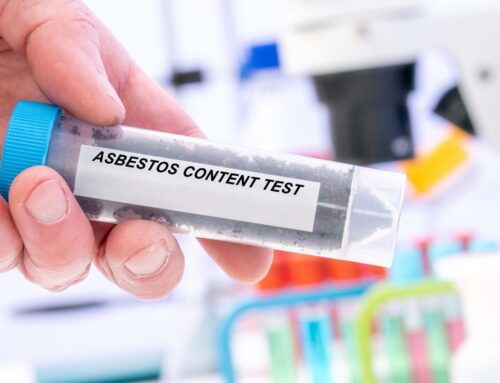
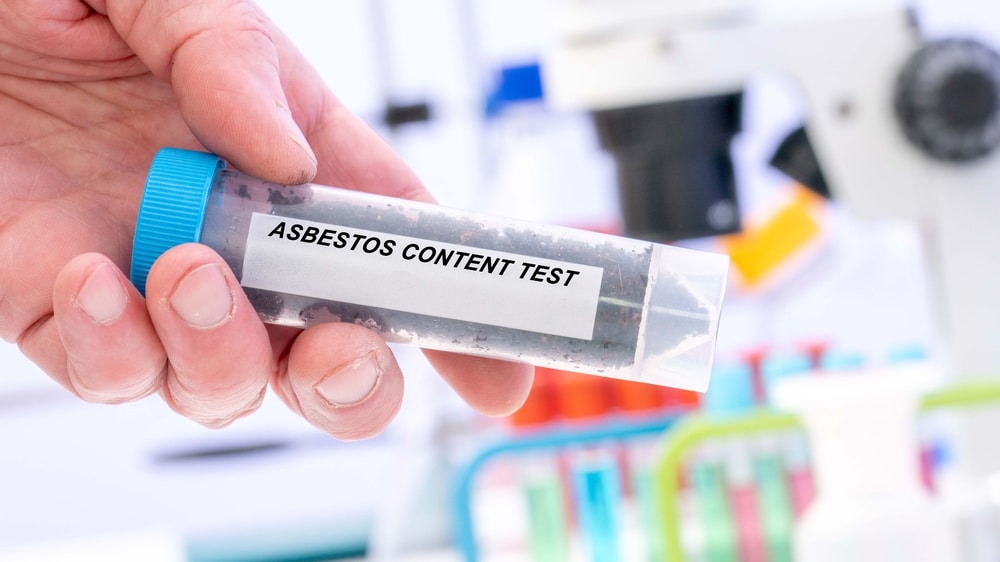
Trained assessors inspect the site and collect samples, which are sent for analysis at accredited laboratories.
All findings are documented in an asbestos register, a legal requirement for workplaces. The register records the age, appearance and location of asbestos on site. This register is crucial reference material for teams carrying out maintenance, renovations or demolition work in future.
Planning and Preparation
When asbestos is confirmed to be present, an asbestos management plan is produced detailing the removal methodology and waste handling procedures.
Exclusion zones are set up to protect anyone not involved in removal work. Decontamination areas allow workers to ensure they are clean before leaving the worksite.
Safe Removal Procedures
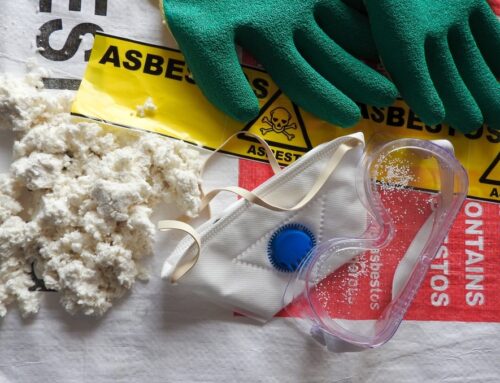
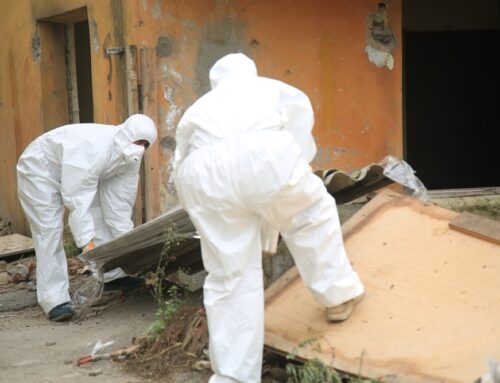
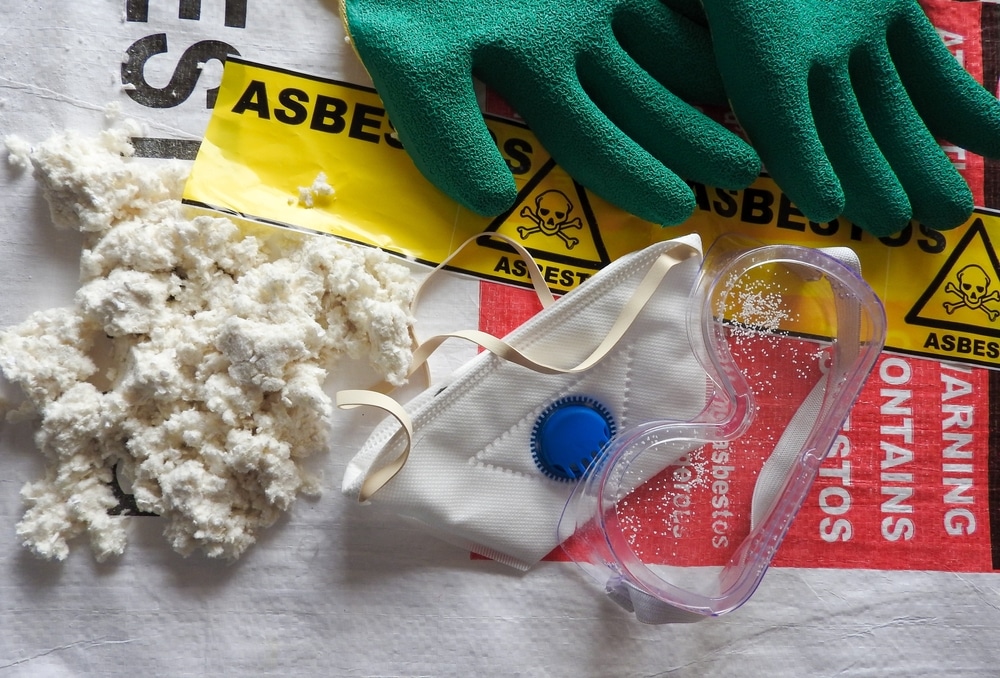
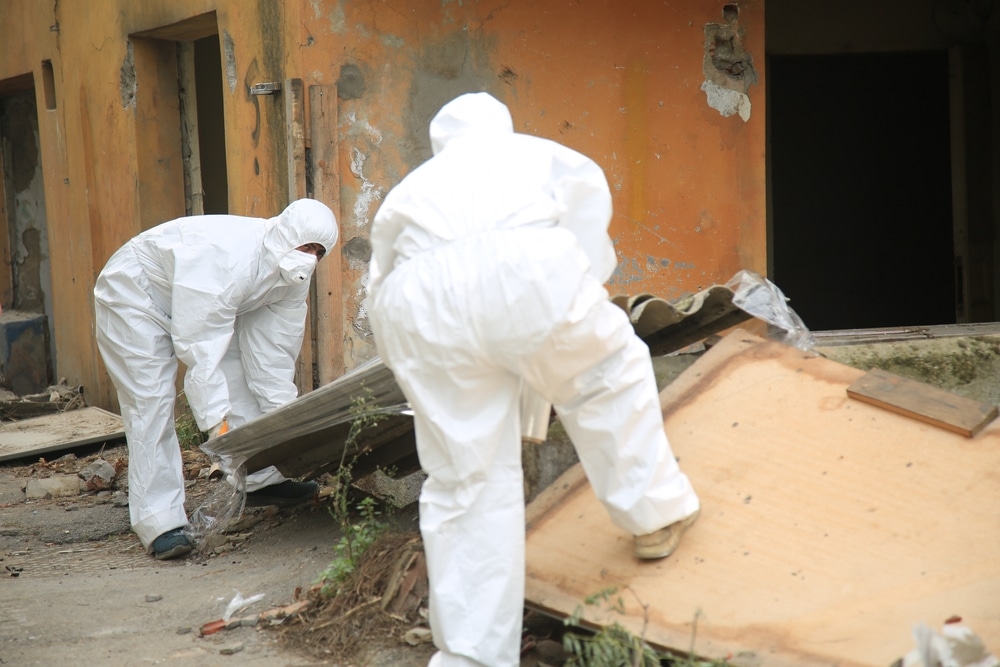
In order to safely remove asbestos, licensed asbestos removalists wear personal protective equipment (PPE) including fitted respirators, disposable coveralls, gloves, and boots. Water is mixed with a wetting agent to bind loose fibres, preventing them from becoming airborne.
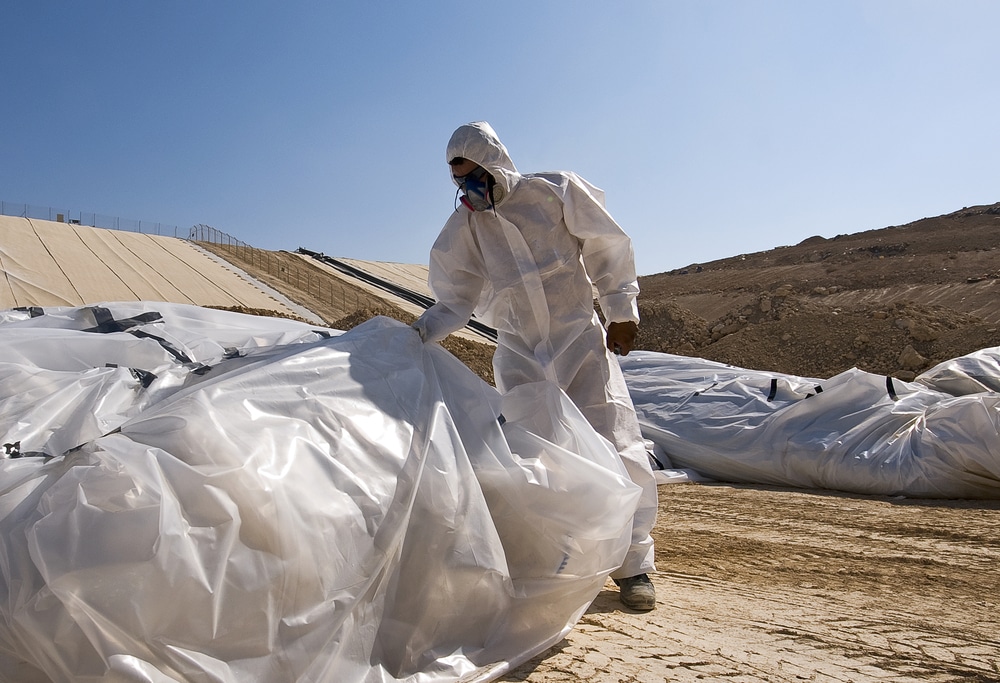
Each piece removed is sealed in containers marked with asbestos warning labels. Asbestos waste may only be disposed of at approved, licenced facilities.
Post-Removal Clearance
HEPA-filtered vacuum equipment is used to ensure any residual fibres are removed. Surfaces are wet-wiped, and the entire area undergoes careful visual inspection.
Independent air quality testing can confirm that the area is safe. A clearance certificate is issued to legally document that the removal work meets NSW standards.
The asbestos register must be updated to reflect the removal work, documenting what was removed, when, and by whom.
Protecting Your Property and Health
Safe Asbestos Removalists provides fully licenced NSW asbestos removal and disposal services throughout New South Wales. Our team has all the licences, plus insurance, and certifications to handle both friable and non-friable asbestos safely and in full compliance with SafeWork NSW regulations.
From initial assessment and testing through to final clearance certification, we manage every aspect of the removal process professionally.
Our systematic approach, from initial assessment and testing through to final clearance certification, ensures your property is genuinely safe for you and your family.
For more information about our services or to arrange an assessment, visit


Leave A Comment