

If you own an older property in Newcastle or the Hunter Region, it’s likely that asbestos is on the premises. Many homes and buildings constructed or renovated before 2003 may contain asbestos-containing materials (ACMs).
This article will explain everything you need to know about Newcastle asbestos testing, including different types and the crucial difference between friable and non-friable asbestos.
Find expert advice on when you should arrange asbestos testing and how a professional, local company can assist you.
What Is Asbestos?
Asbestos is a group of minerals that was widely used in the construction industry, prized for its low cost, heat resistance, and durability.
Asbestos was banned in Australia in 2003, but may still be found in floor tiles, walls, cement sheets, roofs and insulation in many buildings.
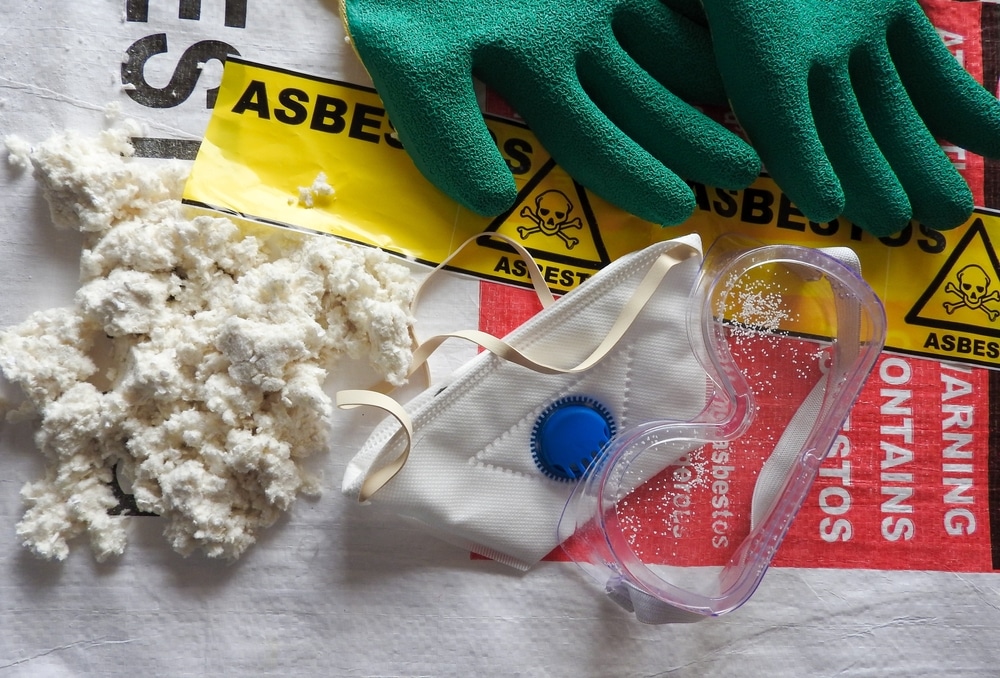
Most ACMs pose little risk if left undisturbed, but may become hazardous if disturbed or damaged.
Types of Asbestos
Across NSW, three main commercial types of asbestos may be found in buildings.
Chrysotile
- Chrysotile, or ‘White Asbestos’, is the asbestos type most commonly found in Australian residential properties
- It was used during the boom house-building years after World War II and is often found in roof materials, ceiling tiles, wall insulation and flooring
- While white asbestos is considered lower-risk than other types, it still poses significant health risks if disturbed.
Amosite
- Brown asbestos’ was mainly used for cement sheets, insulation, and ceiling products
- Amosite is more hazardous than white asbestos and is typically found in commercial and industrial buildings
Crocidolite (Blue Asbestos)
[Suggested angle: Position this as the most dangerous of the three. Explain that its thin, needle-like fibres penetrate lung tissue more easily. Discuss where it was used: spray-on coatings, pipe lagging, and insulation products.]
- Crocidolite (‘blue asbestos’) is the most dangerous form of asbestos
- Its fibres are easily inhaled and can deeply penetrate lung tissue
- Blue asbestos occurs in spray-on coatings, pipe insulation, and cement products
Less Common Types
- Anthophyllite, Tremolite, and Actinolite were not used commercially in construction, but may appear as contaminants in other ACMs
- Although uncommon, they can occur in some insulation and chrysotile products
- They require the same careful handling as the three main commercial types to prevent the fibres from getting into the air
Friable vs Non-Friable Asbestos
This is a crucial distinction that many property owners do not fully understand. Knowing the difference between friable and non-friable asbestos is important because of the differing health risks and licensing and removal requirements under NSW law.
Friable Asbestos
- The greatest threat to human health, friable asbestos, can be crumbled or reduced to powder by hand pressure
- When the fibres become airborne, they are easily inhaled
- Friable asbestos was mainly used as spray-on insulation, lagging, and loose-fill insulation
- In NSW, any amount of friable asbestos may only be handled by a Class A licensed removalist
Non-Friable Asbestos
- Non-friable or ‘bonded’ is often combined with a hard material such as cement or resin
- Common examples in local buildings are fibro cladding, cement roof sheeting, and floor tiles
- Considered low risk when intact, and if the condition is ok, non-friable asbestos is often left in place
- It can become friable through weathering, aging or damage, such as drilling or hammering during renovations
- In NSW, removal of more than 10 square metres must be conducted by a Class B licensed removalist
The Health Risks of Asbestos Exposure
This is why Newcastle asbestos testing matters. There are three major diseases linked to the inhalation of asbestos fibres.
- When inhaled, asbestos fibres can become lodged in lung tissue
- The most common health conditions linked to asbestos are:
- Asbestosis: The progressive scarring of lung tissue, causing breathing difficulties
- Lung cancer: Extremely common in smokers who were exposed to asbestos and associated with people working or living in properties with asbestos
- Mesothelioma: A rare but aggressive cancer which affects the lining of the lungs, reducing breathing capacity
- Symptoms often don’t appear for 20 to 40 years after the initial exposure
- There is no safe level of exposure to asbestos fibres
When Do You Need Asbestos Testing?
This section is your checklist of situations that should trigger professional asbestos testing for your building.
In Newcastle, arrange for expert asbestos testing in the following situations:
- Your property was built, renovated or extended before 2003
- You are considering renovations or a demolition project
- You are considering buying a pre-2003 property with no asbestos register, which documents previous asbestos testing, and the outcome of the testing
- The property has been damaged by fire, flooding, or storm damage
- A previous, less-than-professional audit or inspection suspected the presence of ACMs, but no laboratory test was conducted
Do You Need to Test Before Renovating?
- For older properties, NSW law requires testing for hazardous materials, including asbestos, before any demolition work or renovations
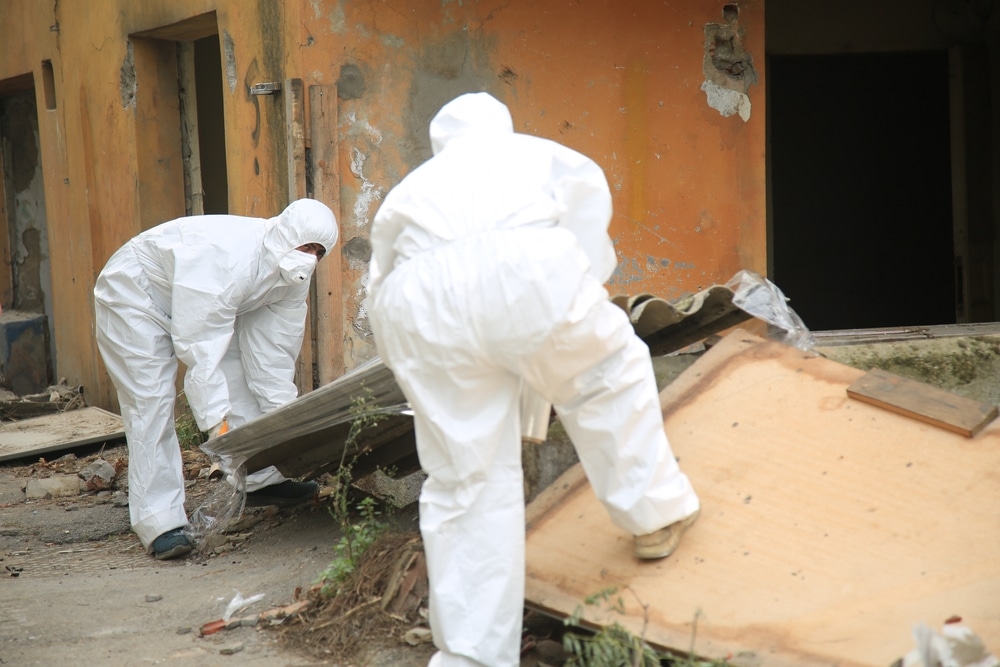
- Going ahead without testing puts workers, residents, and neighbours at risk of fibre exposure and the possibility of serious illness and even death
- Even seemingly small renovation jobs, such as drilling, cutting, or sanding, can disturb asbestos and cause extreme risks
Asbestos Testing Newcastle: Book a Professional Assessment
Safe Asbestos Removal Newcastle is the trusted local specialist for Newcastle asbestos testing and removal. Our professional, experienced team serves Newcastle and the surrounding Hunter Region.
Visit our asbestos testing webpage for more information, including our safe, efficient asbestos testing process.
Now that you are aware of the dangers, contact the team today with any questions and to schedule a professional site inspection and your free quote, before you begin any renovation, demolition, or property transaction.


Leave A Comment