

If you need demolition of a building or structure in NSW, understanding the various methods and requirements will help you understand the process and select the best team for demolition services NSW.
In this article, we explain the various methods and approaches to demolition and you will learn how safety and efficiency ensure a successful project and a delighted client.
Understanding Different Types of Demolition
The project scope determines the demolition approach for any project. For instance, residential demolition, where a house is emptied of people and belongings before being knocked down and removed, has a different set of challenges from a commercial demolition project, which may involve working in a busy town centre location or even a structure where some business is still being conducted.
The approach and most appropriate equipment for each project, then, depend on the project structure, location, local community, site access, and other factors.
Mechanical Demolition
- The use of heavy machinery like bulldozers, excavators and cranes
- This method is most common for larger commercial or industrial buildings
- With well-trained, experienced operators, mechanical demolition can be cost-effective and faster than manual methods
- Appropriate for projects from multi-storey buildings to warehouse demolition
Manual Demolition
- Workers use hand-held tools, such as sledgehammers, jackhammers, picks and crowbars
- Sustainable, allowing waste material to be sorted for recycling or reuse, where possible
- More precise but labour-intensive, manual demolition is slower than using machinery
- Typically used for smaller structures like slabs or individual walls
Selective Dismantling
- This method allows for the removal, or ‘strip-out’, of specific parts of a building while the rest remains intact.
- This type of limited demolition means nearby structures are protected
- Often applied to allow renovations in a building and modernisation or rebranding in a commercial environment
- Detailed planning is normally needed
Demolition Machinery and Equipment
A contractor offering comprehensive NSW demolition services will need to be able to select from a range of equipment. Specialised machinery is used for various tasks, and equipment selection often affects project timelines and costs.
- Experienced operators help to ensure efficient, fast and safe use of heavy machinery
- Excavators are commonly used and range from small to 90-tonne capacity
- Specialist high-reach equipment types are more efficient and reduce the risk of injury from working at height
- Cranes may be used for lifting or moving heavy elements into a desired position
- Heavy trucks are often relied upon to remove waste material
Safety Standards in Demolition Work
By its very nature, demolition work, knocking down structures, is high-risk work, so safety is the top priority for a professional team. Safety planning protects workers and the general public, and accident-prevention measures help ensure a project runs as scheduled.
Hazard Identification and Risk Management
- A site inspection before even planning the work allows experienced contractors to spot non-obvious risks.
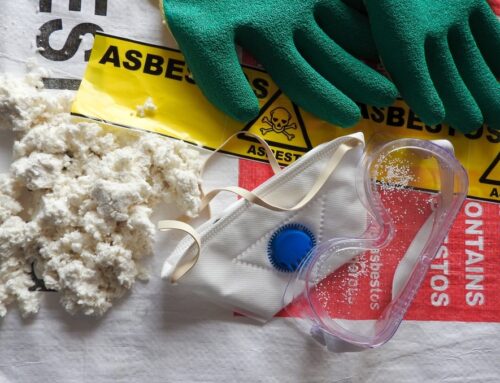
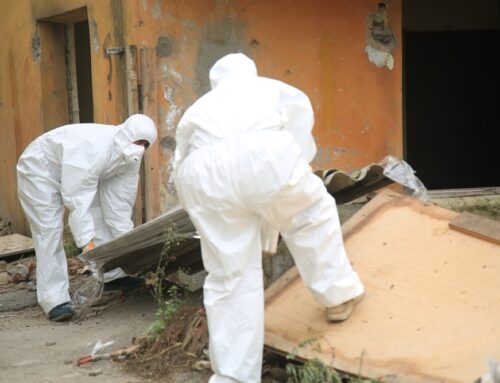
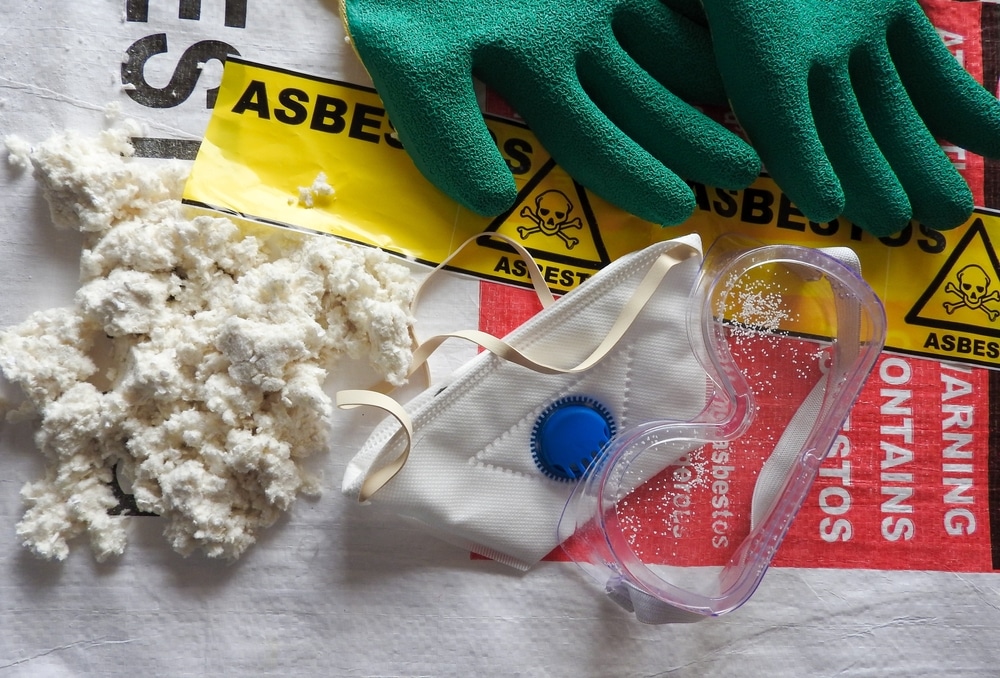
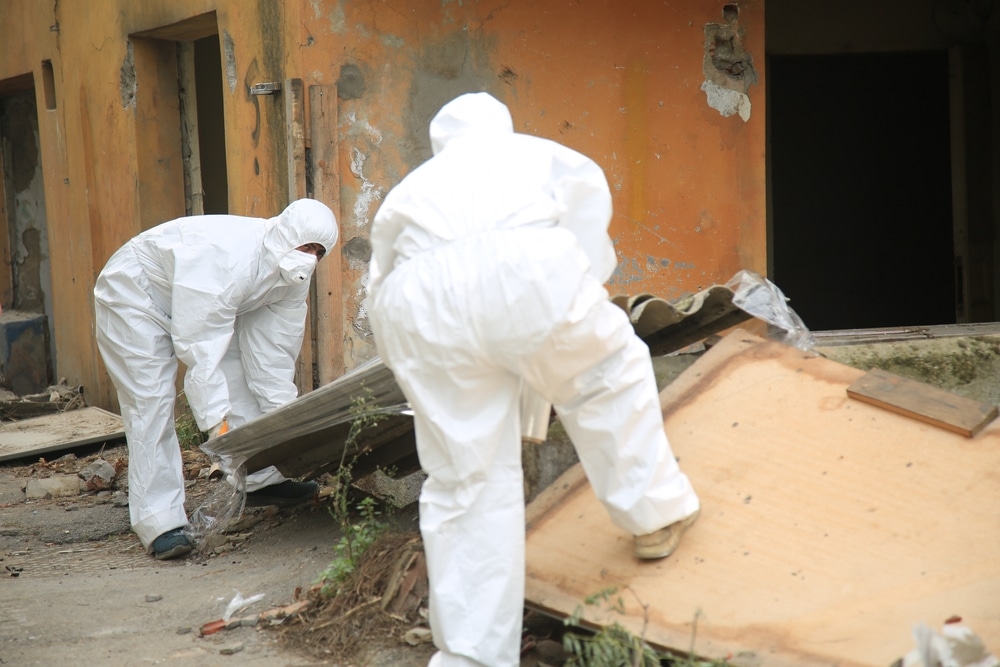
- The site assessment will identify hazards, including unstable structures and the risk of falling objects, as well as the presence of hazardous materials such as lead paint or asbestos.
- Judge the suitability of the site for the operation of mechanical equipment.
- Introduce measures to prevent crush injuries and the risks of falls from elevated work platforms.
Safe Work Method Statements
- The Development and implementation of Safe Work Method Statements (SWMS) are legally mandated in NSW, specifically for High-Risk Construction Work (HRCW), like demolition
- There are local authority documentation requirements for most demolition work
- Site-specific safety protocols for different demolition types should be reviewed and updated as needed during a project.
Public and Environmental Protection
- Experienced and professional NSW demolition services contractors aim to minimise disruption to neighbouring properties, businesses and the local community
- During site preparation, exclusion zones are implemented by erecting barriers and fencing around work sites
- Site entry is restricted to essential workers
- Environmentally-friendly demolition crews plan for waste recycling or disposal at registered facilities
- Plans should be in place to manage dust, noise and vibration
Efficiency in Modern Demolition Projects
Whether they are working on your home or demolishing all or part of a business structure, you should only work with professional contractors with a track record of completing projects efficiently, safely and on schedule.
- Selecting the most appropriate machinery for your demolition can boost productivity
- Processing waste material on-site, throughout the project, helps speed up waste management and reduce costs
- Experienced operators work faster and are safer!
- A systemic approach, with a well-established process, reduces the risk of rework and delays
Safe Asbestos Removalist: Your NSW Demolition Partner
At Safe Asbestos Removalist, we provide comprehensive demolition services NSW. We have a track record of successful, safe, and cost-effective demolition projects, delivered by our experienced team using specialist equipment.
We are fully licenced and, as local professionals, we understand and remain compliant with the latest NSW regulations. Our expertise in both asbestos removal and demolition means we are a one-stop shop for NSW demolition services.
Get in touch today. Let’s discuss your requirements and plan a site visit to begin planning your demolition project and your free, no-obligation quote.






Leave A Comment