
Friable asbestos is the most dangerous category. The fibres easily become airborne and may be inhaled by anyone nearby, with severe and often fatal health consequences.
Asbestos is a known issue in the Newcastle and Hunter Region, particularly in properties built before the 1990s. Removal must be done as soon as possible, and only a class A licenced professional can safely, legally carry out Newcastle friable asbestos removal.
This article will help you learn about friable asbestos removal Newcastle. Find out about the risks to humans, the relevant local safety regulations, and the step-by-step process for friable asbestos removal.

Asbestos in Newcastle
Newcastle’s history of population and building growth, particularly the boom years, before the 1990s, means many properties have asbestos-containing materials (ACMs).
Asbestos use in Australia was banned in December 2003, but, of course, older buildings built or renovated before the ban have hazardous materials.
Why Is Asbestos Still a Problem in Newcastle Today?
Asbestos generally becomes dangerous when it is disturbed
- Renovation and demolition activity in properties amongst older Newcastle suburbs stirs up fibres
- Illegal dumping and improper disposal, mainly caused by DIY work or “cowboy” contractors, remain an issue in the region
- The NSW Environment Protection Agency (EPA) has strict waste tracking requirements for asbestos disposal
- The City of Newcastle’s Summerhill Waste Management Centre is the major local licensed disposal facility for asbestos waste
What Is Friable Asbestos?
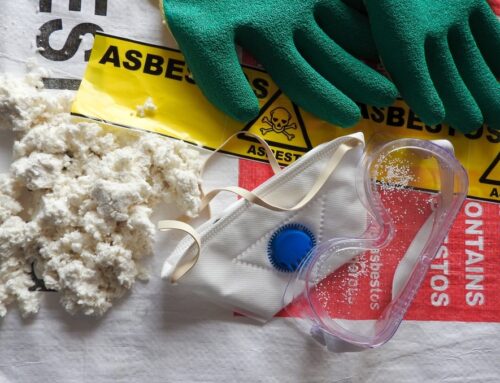
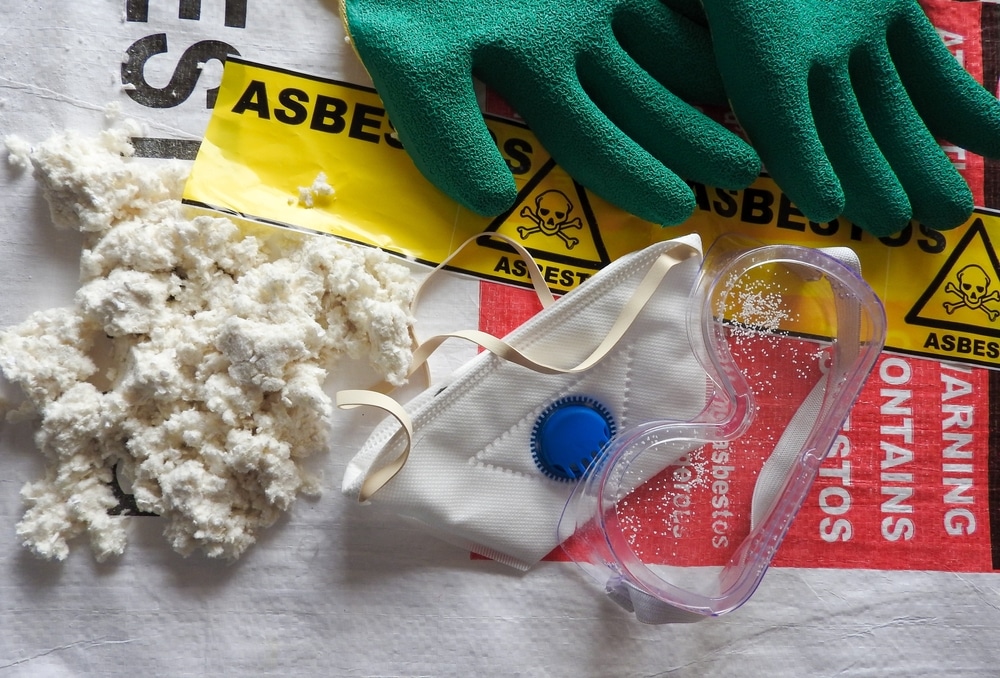
Simply, friable asbestos is any asbestos-containing material capable of being reduced to powder or crumbled by hand pressure.
Non-friable asbestos is often bonded with other materials. It doesn’t crumble easily and may be left in place, and its condition may be monitored.
Friable asbestos is classified as the most hazardous, with fibres that can be released into the air far more readily.
Common friable asbestos materials in Newcastle buildings include
- pipe and duct insulation
- loose-fill ceiling insulation (Mr Fluffy)
- sprayed-on fireproofing and thermal insulation around boilers
Characteristics that distinguish friable asbestos
- Soft, crumbly texture that breaks apart easily
- Fibres become airborne with minimal disturbance
- More likely to be found in commercial, industrial, and older institutional buildings
What Are the Health Risks of Friable Asbestos Exposure?
- Inhaled asbestos fibres lodge permanently in lung tissue
- Diseases linked to asbestos exposure can be severe, with breathing difficulties and lead to many deaths
- Asbestos-related diseases may not be apparent for 20 to 40 years, meaning exposure today may not present symptoms for decades
- No safe level of friable asbestos exposure is recognised under Australian health guidelines
The Friable Asbestos Removal Process
This section offers an overview of the end-to-end process: inspection, risk assessment, notification, containment, removal, clearance testing, and disposal. The removal process for friable asbestos is more complex and regulated than that for non-friable asbestos because it is far more dangerous to humans.
SafeWork NSW has strict regulations governing asbestos removal, stating that a Class A licence is required to remove any amount of friable asbestos.
Step-by-Step: How Friable Asbestos Is Removed Safely
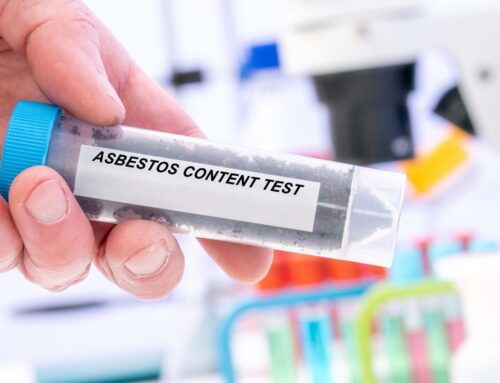
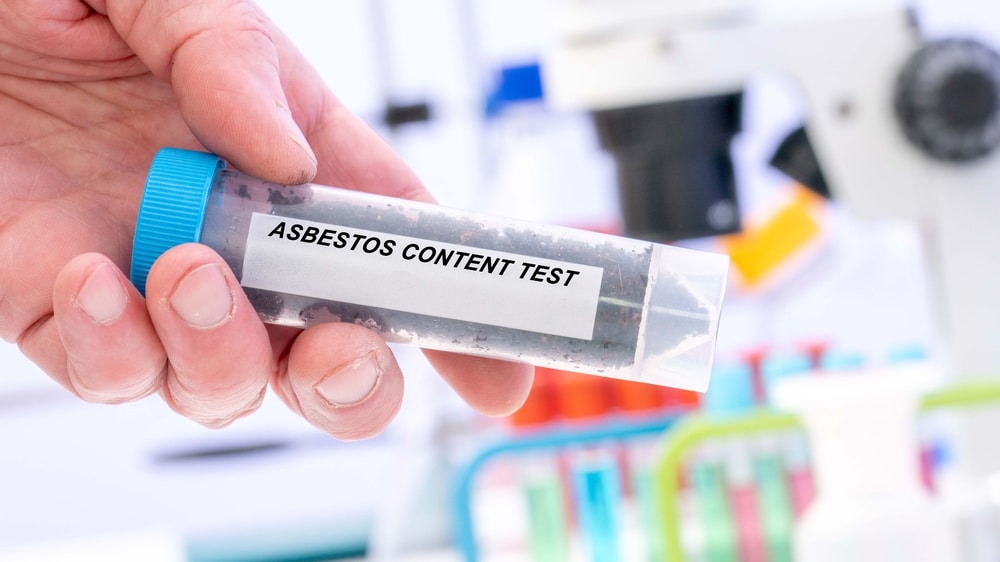
- An initial site inspection and identification of ACMs by a qualified assessor
- An Asbestos Removal Control Plan (ARCP) must be prepared, including safety measures
- Notification to SafeWork NSW prior to commencing work is a legal requirement
- A decontamination unit and exclusion zone must be established
- Wetting of materials helps to suppress fibre release during removal
- Use of full PPE, including P2/P3 respirators, by anyone on site
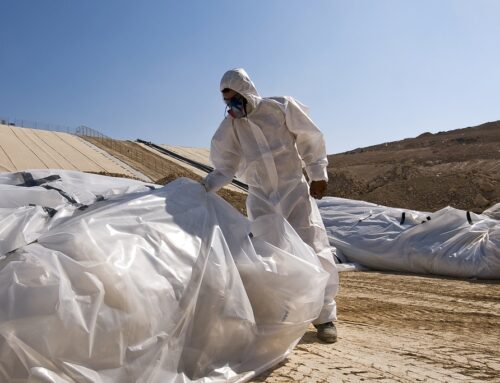
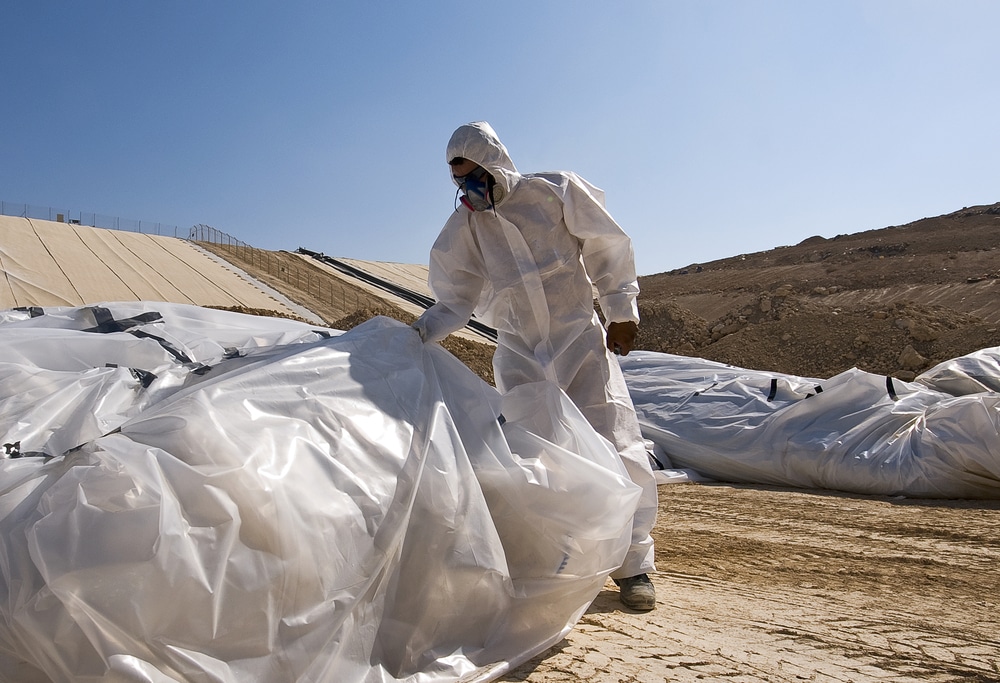
- Asbestos waste must be sealed and labelled “CAUTION ASBESTOS”
- Air monitoring takes place during and after removal to verify fibre levels
- A clearance inspection must be carried out by an independent occupational hygienist
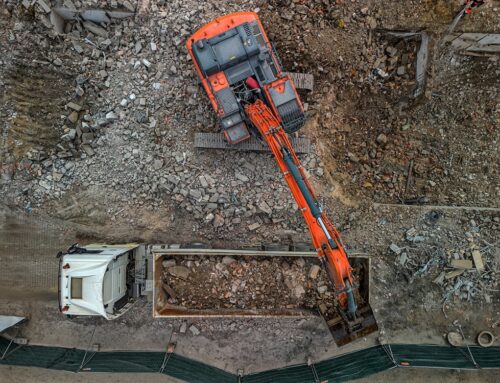
- Waste material should be transported to a licenced disposal facility, such as Summerhill in Newcastle.
Who Is Legally Allowed to Remove Friable Asbestos in NSW?
- Only Class A licensed asbestos removalists can legally remove friable asbestos in NSW, regardless of quantity
- There are legal repercussions and financial penalties for unlicensed removal and illegal disposal under NSW Work Health and Safety legislation
- SafeWork NSW has a major role in overseeing compliance and investigating breaches
- Always ensure your contractor is on the SafeWork NSW public licence register
- DIY removal of friable asbestos is never a legal or safe option
Equipment Used During Friable Asbestos Removal
- Negative pressure enclosures to contain airborne fibres
- Class H HEPA-filter vacuum equipment (standard vacuum cleaners are not suitable)
- Full-face respirators with P2 or P3 filters
- Disposable coveralls (Tyvek suits), gloves, and boot covers
- Decontamination units
- Wetting agents to suppress dust during removal
Professional Friable Asbestos Removal in Newcastle
Safe Asbestos Removal Newcastle is the licensed specialist for friable asbestos removal across Newcastle and surrounding areas, known for its Class A licence and compliance with SafeWork NSW requirements.
With Newcastle asbestos removal services throughout the region, contact our experienced, friendly local team to arrange an inspection, assessment, or quote.


Leave A Comment