

Asbestos was widely used in construction across New South Wales before 1990.
So, older buildings in Newcastle may contain asbestos-containing materials (ACMs).
This guide covers everything you need to know about safe asbestos removal and how to choose the right service for your needs.
Read on to discover the difference between friable and non-friable materials, recognising health hazards, and knowing how professionals remove and dispose of asbestos.
Understanding Asbestos: What Property Owners Need to Know
Asbestos was widely used in the construction industry for decades and was present in thousands of Australian homes and commercial buildings. Knowing what it is, where it can be found, and why it’s dangerous helps you make informed decisions about your property.
What Is Asbestos?
Valued for its fire resistance, durability, insulation properties, and affordability, asbestos was an extremely popular choice for everything from roofing to floor tiles.
Buildings constructed between 1940 and 1990 are most likely to contain asbestos products.
The danger is in materials that become damaged, deteriorated, or disturbed during renovation or demolition work. When asbestos fibres become airborne, they can be inhaled and cause serious health problems.
Where Asbestos is located in Buildings
Asbestos appeared in more than 3,000 different building materials, so it can be in unexpected places throughout your property.
Common locations in residential properties include:
- Roof sheeting and eaves made from fibro cement.
- Exterior and interior wall cladding, bathroom, and laundry wall sheeting.
- Vinyl floor tiles and the adhesive beneath them, and carpet underlay in some older homes.
- Insulation around hot water systems and pipes, and backing material on electrical boards.
In commercial and industrial buildings, asbestos appears in:
- Spray-on insulation in ceiling cavities and on structural steel.
- Pipe lagging and boiler insulation.
- Fire doors and fire-rated panels.
- Roofing felt and waterproofing materials.
- Ceiling tiles in offices.
Types of Asbestos
Some asbestos materials require immediate attention, whilst others can remain in place if undisturbed and well-maintained.
Friable Asbestos
Friable asbestos material can be crumbled or reduced to powder by hand pressure when dry, so the fibres can become airborne and inhaled, leading to serious health issues.
Any work involving friable asbestos in NSW requires a Class A asbestos removal licence, and property owners should never attempt to handle or remove these materials themselves.
If you suspect friable asbestos in your property, avoid the area and contact licensed professionals immediately.
Non-friable, or “bonded asbestos,” has fibres firmly bound within a solid matrix, usually cement, and poses a lower health risk if left undisturbed. Non-friable materials can become friable due to weathering, physical damage, or improper maintenance.
Health Risks: Why Professional Removal Matters
Asbestos exposure causes severe health conditions. Professional removal is essential to protect you, your family, and anyone else who enters your property.
How Asbestos Affects Human Health
When asbestos fibres become airborne, they can be inhaled deep into the lungs and develop into serious diseases.
The main asbestos-related diseases include:
- Asbestosis: A progressive scarring of lung tissue causing breathing difficulties, persistent cough, and chest tightness. This condition normally worsens over time.
- Mesothelioma: An aggressive cancer affecting the lining of the lungs, abdomen, or heart.
- Lung cancer: Asbestos exposure increases the risk of developing lung cancer, particularly for smokers.
Dangers of DIY Asbestos Removal
Every year, homeowners in Newcastle and across Australia put themselves and others at serious risk by attempting to remove asbestos materials without proper training, equipment, or licensing.
The risks of DIY asbestos removal include:
- Fibre release: Without proper containment and removal techniques, disturbing asbestos releases fibres that could spread throughout your property.
- Family exposure: Anyone in the home during or after DIY removal is at risk, including children, pregnant women, and pets.
- Neighbourhood contamination: Asbestos fibres can travel outside your property, potentially exposing neighbours and passersby.
- Improper disposal: Most council facilities do not accept asbestos waste from unlicensed individuals, which can lead to dumping, with severe consequences for the environment and local community.
Safe Asbestos Disposal Process
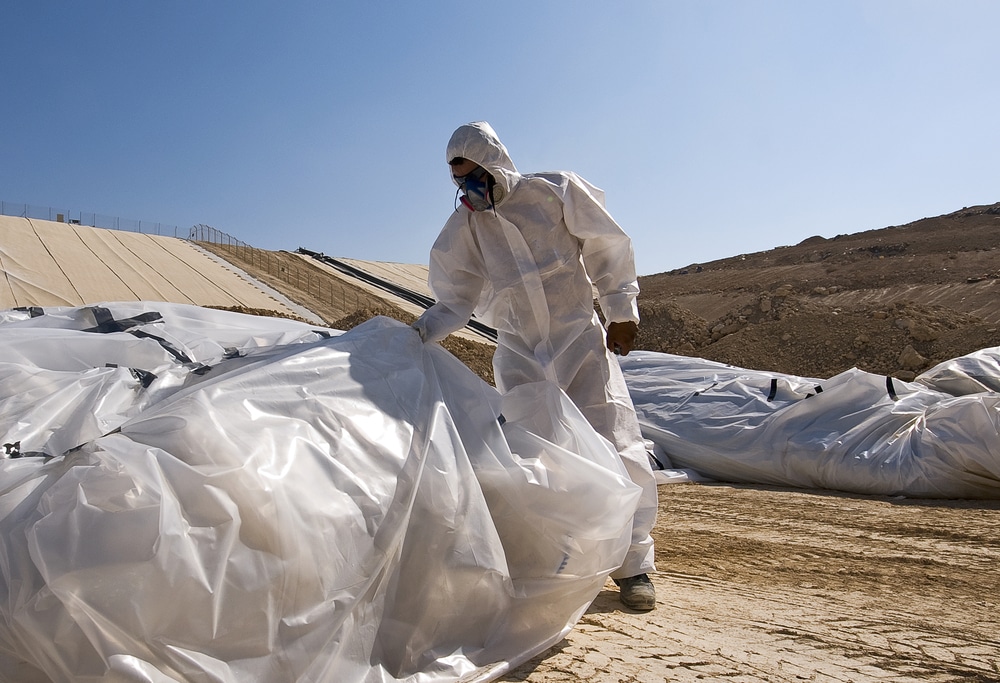
Professionals ensure asbestos waste is safely managed from removal to disposal.
The process involves several critical steps:
- Wetting: water sprays are used to prevent fibres from becoming airborne.
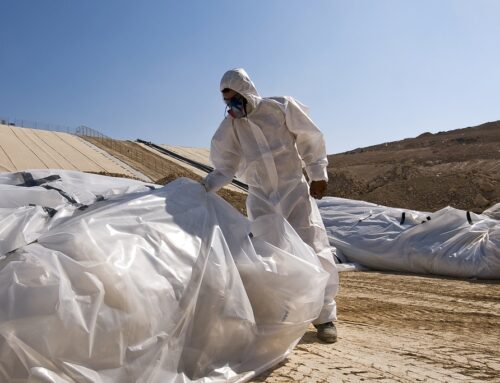
- Double-wrapping: Removed materials are wrapped in heavy-duty plastic sheeting using a double-wrap system.
- Secure transport: Waste is transported in enclosed vehicles or covered trailers.
- Approved facilities: Waste must be taken to EPA-approved disposal facilities.
Asbestos Removal Services: Residential, Commercial and Industrial
Understanding the different requirements for residential, commercial, and industrial premises helps you know what to expect for your specific situation.
Residential Asbestos Removal
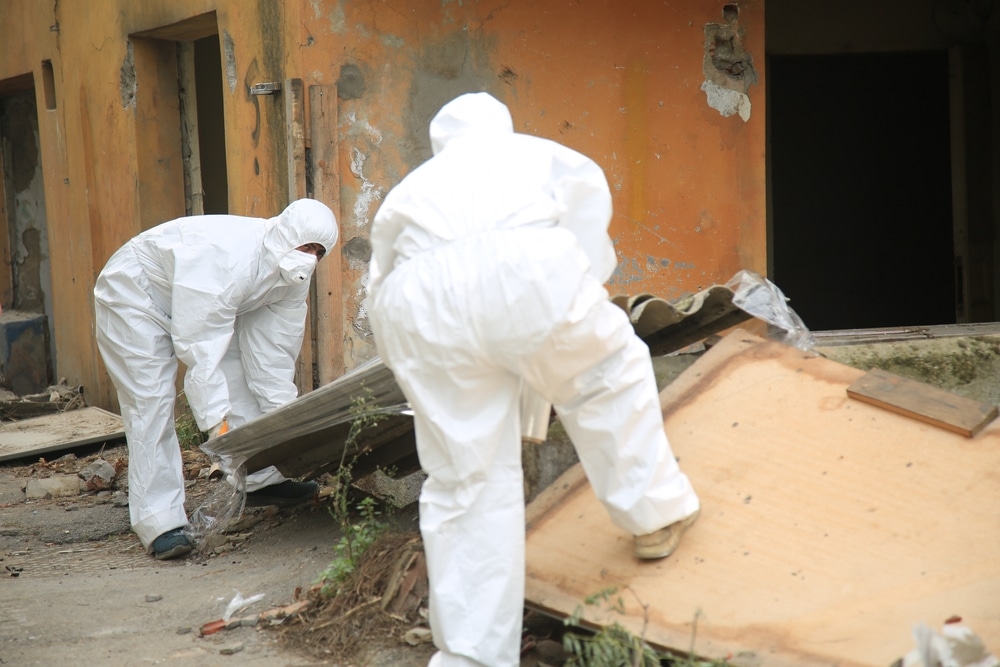
Homeowners in Newcastle typically encounter asbestos during renovation projects.
Residential scenarios include:
- The removal of asbestos backing boards or vinyl flooring during kitchen and bathroom renovations
- Fibro cement sheeting roof replacements
- The replacement of old asbestos fencing
- The demolition of garages, sheds, or outbuildings containing asbestos materials
Commercial Asbestos Services
Commercial properties, including office buildings, retail centres, schools, and public facilities, present additional complexity because a removal project often occurs whilst minimising disruption to the business and protecting employees, customers, and visitors.
Commercial asbestos removal addresses:
- Office building renovations and fit-outs
- Retail space reconfigurations
- Ceiling and partition wall modifications
- Compliance projects required by strata regulations or lease agreements
Commercial landlords and property managers must comply with Work Health and Safety legislation that requires them to identify and manage asbestos risks. This includes maintaining asbestos registers, conducting regular inspections, and ensuring that any maintenance or renovation work adheres to local authority regulations.
Industrial Asbestos Removal
Factories, warehouses, processing plants, and other large-scale facilities often contain significant quantities of asbestos, including friable materials that require Class A-licensed removalists.
Industrial asbestos removal requires:
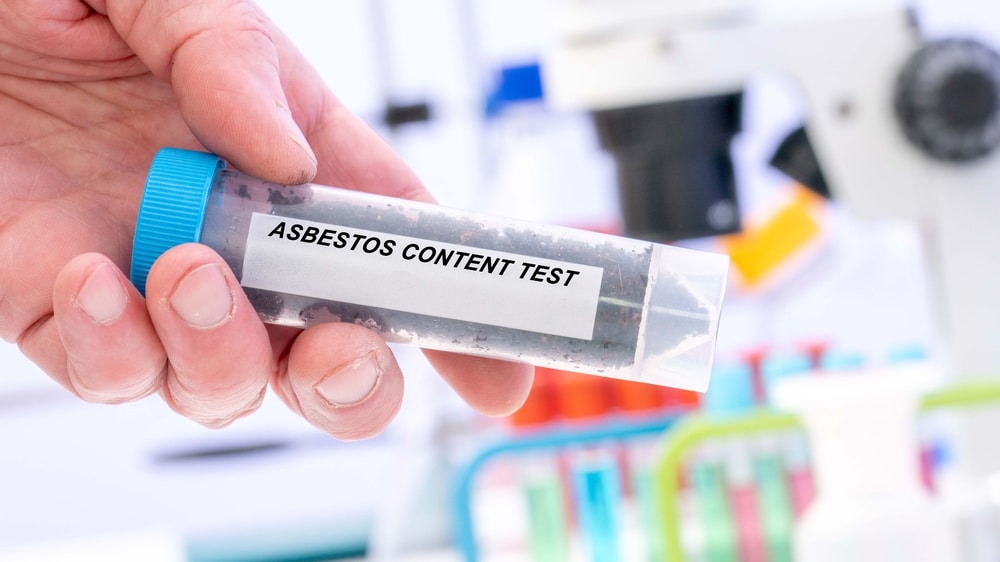
- A comprehensive site assessment, with testing to identify all asbestos-containing materials
- Development of asbestos management plans specific to the facility
- Coordination with industrial operations to maintain production where possible
- Specialised equipment for accessing materials in difficult locations
Protecting Your Property and Health in Newcastle
At Safe Asbestos Removal Newcastle, we provide asbestos services throughout Newcastle and the surrounding areas. Our licensed team has the expertise, equipment, and commitment to safety that your project demands.
Contact Safe Asbestos Removal Newcastle today to arrange your property assessment or request a detailed quote. Visit our asbestos disposal services page for more information about our safe disposal processes and regulatory compliance.


Leave A Comment