
Asbestos is still present in many older buildings in New South Wales. Whether you own a home, manage a commercial building, or run a construction project, understanding how asbestos affects your industry is the first step to staying safe and compliant.
Discover industries supported NSW asbestos removal. Find out about the health risks, regulations and the NSW asbestos removal process.

What Is Asbestos and Why Is It Still an Issue in NSW?
Asbestos was common in Australian building materials throughout most of the twentieth century. It was considered an ideal building material. It was cheap, fire-resistant, and durable.
Where Is Asbestos Commonly Found in NSW Properties?
Common locations include:
- Roof sheeting, eaves, and guttering
- Wall cladding and internal linings (fibrous cement sheeting)
- Floor tiles, pipe lagging and insulation around hot water systems and boilers
- Textured ceiling coatings
- Fencing, garden edging, and external structures
What Are the Health Risks of Asbestos Exposure?
More than 20 years after it was banned, asbestos is still the leading cause of work-related death in Australia. When ACMs are disturbed, tiny fibres become airborne and can be inhaled. Once lodged in lung tissue, those fibres cannot be removed by the body.
The three primary asbestos-related diseases are mesothelioma, asbestosis and lung cancer. All can be fatal, and note that symptoms can take 20 to 40 years to appear, which is why prevention and early management are so important.
What Is the Difference Between Friable and Non-Friable Asbestos?
Asbestos is classified into two categories under NSW work health and safety legislation:
- Non-friable (bonded) asbestos
- Often found as a solid matrix, such as fibrous cement sheeting. Bonded asbestos is lower risk when left undisturbed. Removal is required when the material is damaged, deteriorated, or affected by renovation work.
- Friable asbestos
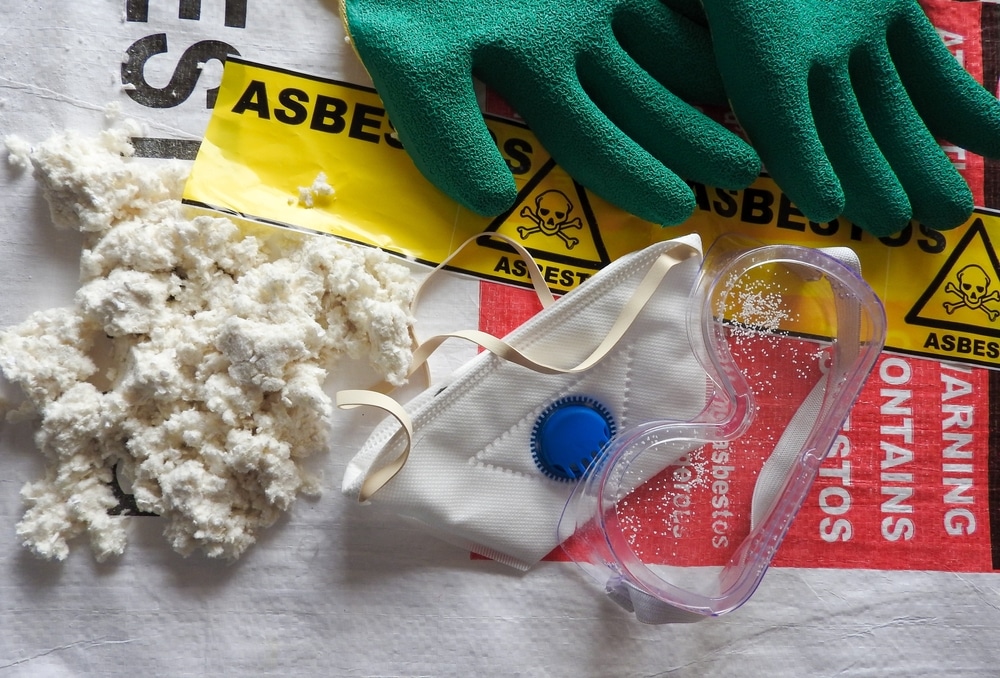
- This form is far more dangerous as the fibres can easily be crumbled and released even by hand pressure.
What Are the NSW Regulations for Asbestos Removal?
Asbestos removal in NSW is governed by the Work Health and Safety Regulation 2017 and Work Health and Safety Act 2011 (NSW).
Key regulatory requirements include:
- Only a class A licence holder may ever remove friable asbestos
- A professional with a class B licence is required for non-friable asbestos removal above 10 square metres
- SafeWork NSW must be notified before all friable asbestos work and any non-friable jobs above 10 square metres
- All asbestos waste must be double-wrapped, clearly labelled, and taken to an accredited disposal facility
- A clearance certificate must be issued after the process is complete
Which NSW Industries Require Asbestos Removal Services?
Asbestos removal applies across a range of industries and property types in NSW.
Does Residential Asbestos Removal Apply to My Home?
Residential properties are the most common source of asbestos exposure for NSW families. Any home built before 1987 should be assessed for ACMs before renovation, extension, or demolition work begins.
What About Commercial Property Asbestos Removal in NSW?
Managers and owners of Commercial properties have a legal duty of care under NSW work health and safety legislation, including maintaining an asbestos register for any premises where ACMs are known or suspected.
Planning removal during low-traffic periods helps to minimise disruption to business operations and keeps staff and customers safe.
How Does Asbestos Affect Industrial and Manufacturing Facilities?
Industrial sites can be larger and so contain higher concentrations of friable asbestos than residential or commercial buildings. Common locations include pipe lagging, boiler insulation, sprayed fireproofing, and industrial roofing.
What Do Construction and Demolition Firms Need to Know?
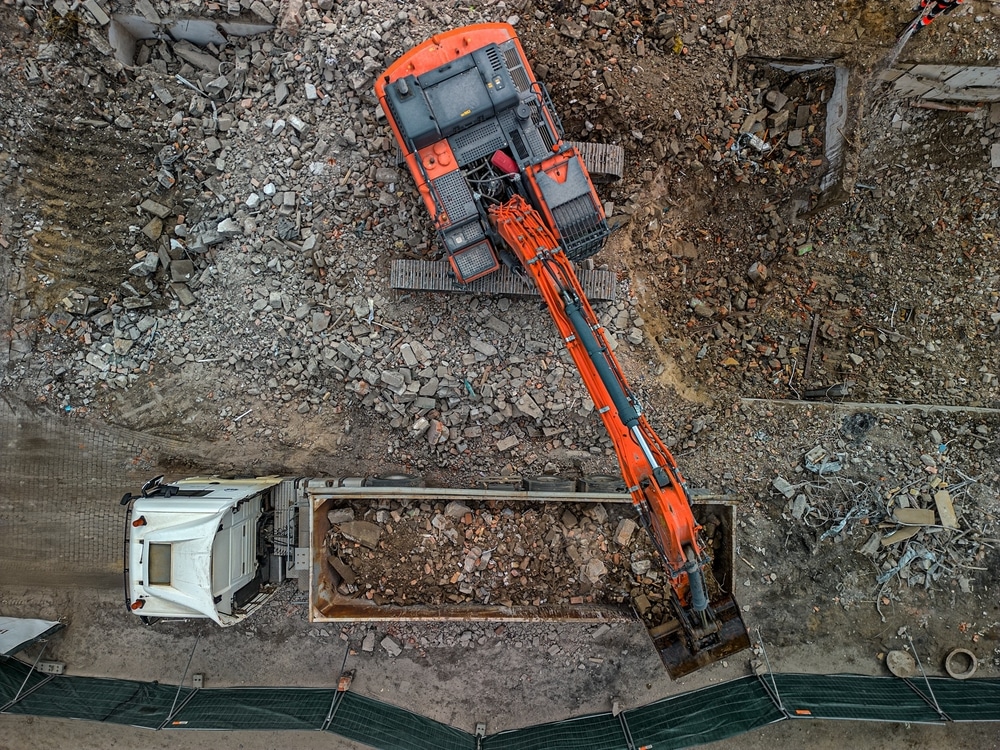
Asbestos removal is a mandatory step before demolition or major renovation of any older structure in NSW.
Legal obligations for construction firms and principal contractors include:
- Conducting an asbestos assessment before any demolition or renovation work
- Ensuring ACMs are removed by a licensed removalist before demolition starts
- Maintaining an asbestos register and management plan for affected sites
What Does the Asbestos Removal Process Involve?
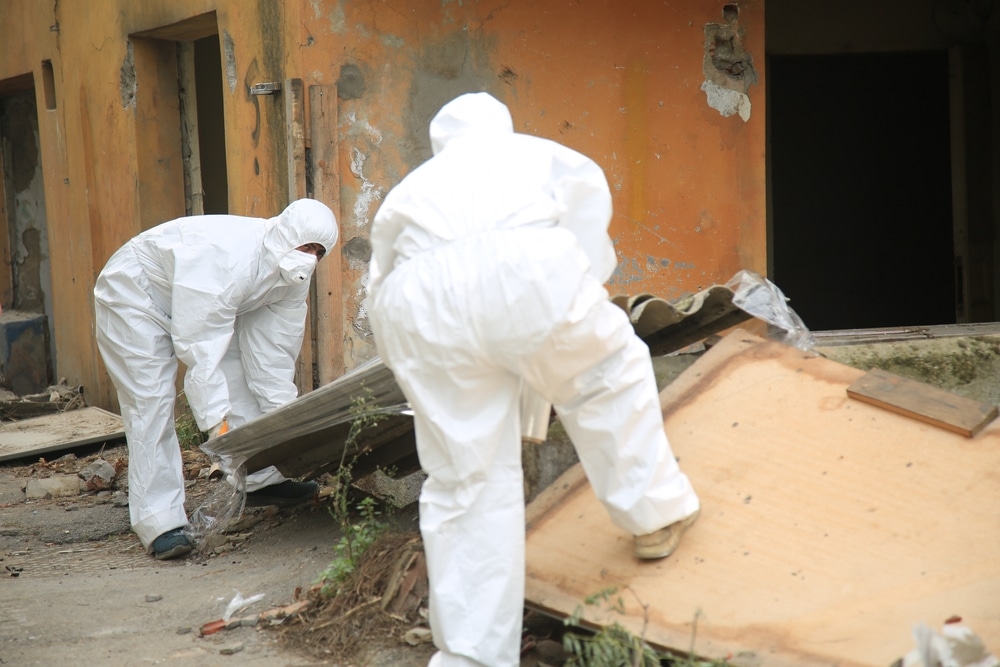
Every licensed removal job in NSW follows similar steps to protect workers, occupants, and the surrounding community.
The step-by-step removal process for residential properties normally involves:
- Site inspection and identification of suspected ACMs
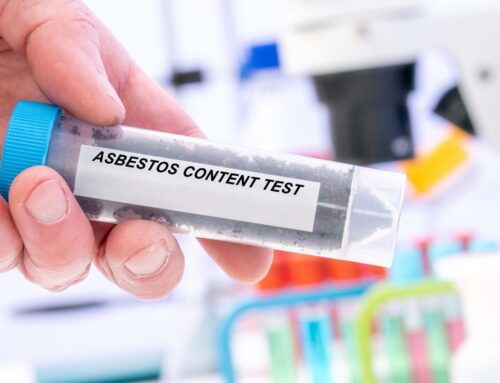
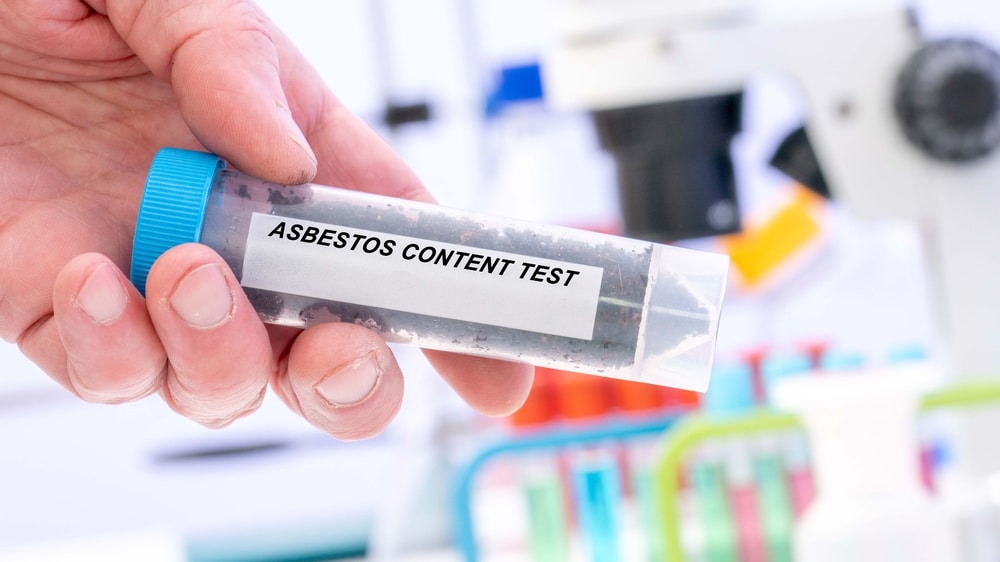
- Samples are sent for laboratory testing to confirm the presence and type of asbestos
- Development of a removal method and plan, plus SafeWork NSW notification (where required)
- Site safety methods, including containment zones and signage
- Safe removal using approved methods and PPE
- Material is secured and taken to an EPA-approved disposal facility
- Site decontamination and air monitoring
- Clearance inspection and issue of a clearance certificate
Frequently Asked Questions About Asbestos Removal in NSW
How do I know if my property contains asbestos?
Properties built before 1987 in NSW are at the highest risk. The only safe and reliable way to confirm the presence of asbestos is by laboratory testing of samples collected by a licensed assessor.
Can I remove asbestos myself in NSW?
Homeowners may legally remove up to 10 square metres of non-friable asbestos. This does not apply to friable asbestos, which must only ever be handled by a Class A licensed removalist. Even where DIY removal is permitted, professional removal is highly recommended as the safer option.
Is asbestos removal covered by home insurance in NSW?
Home and contents policies sometimes include cover for accidental asbestos disturbance. Check with your insurer before work begins. A licensed removalist will provide you with documentation to support an insurance claim.
How much does asbestos removal cost in NSW?
Costs depend on the type of asbestos, the quantity, location, and accessibility of the material. Friable asbestos removal tends to be more expensive than bonded asbestos removal.
What happens to asbestos waste after removal?
Asbestos waste should be sealed in heavy-duty plastic sheeting and labelled. It must be transported to an EPA-approved landfill. Licensed removalists manage the entire disposal process as part of their service.
Do I need a clearance certificate after asbestos removal?
Yes. A clearance certificate confirms that a site has been assessed and declared safe following asbestos removal. It is a legal requirement for commercial and industrial sites in NSW. For residential properties, a clearance certificate is strongly recommended, particularly for homeowners planning renovation, sale, or lease.
Talk to Safe Asbestos Removalists About Your NSW Property
Safe Asbestos Removalists is a licensed asbestos removal business servicing residential, commercial, and industrial clients across New South Wales. Our team holds Class A and Class B licences and always operates in compliance with SafeWork NSW and NSW EPA requirements.
Whether you are a homeowner preparing for a renovation, a property manager with a compliance obligation, or a construction firm with a project timeline to meet, the team can help you manage asbestos safely, legally, and efficiently.
To see the full range of industries and sectors serviced across NSW, visit our
Contact Safe Asbestos Removalists today for an obligation-free inspection and quote.


Leave A Comment