

Planning a demolition project can feel complex, but understanding the main demolition methods NSW removes uncertainty and helps you choose the right demolition services for your needs.
In this guide, we explain residential demolition services NSW and discuss processes used by commercial demolition contractors NSW, explain when each method applies, and cover safety, compliance, and site preparation essentials.
What are the main types of demolition services in NSW?
Demolition services in NSW depend on the type of structure and project goals.
The main categories include residential, commercial, site clearance, concrete removal, and selective demolition. Each service type adheres to strict safety and environmental standards, especially when hazardous materials such as asbestos are present.
- Residential demolition
- Demolition of houses, garages, and outbuildings
- Commercial demolition
- Covers warehouses, offices, retail, and factories
- Site clearance
- Prepares land for redevelopment by removing all debris
- Removal of concrete
- Demolition and removal of driveways, footpaths and slabs
- Selective demolition
- Targets specific sections for renovation or extensions
What does residential demolition involve?
Residential demolition involves the complete removal of houses and associated structures, leaving a cleared, level site ready for new construction. In NSW, this process often includes asbestos management, service disconnection, and neighbourly considerations to minimise disruption.
- The complete removal of houses, garages and sheds
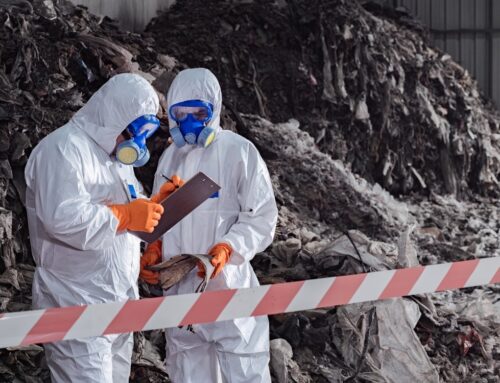
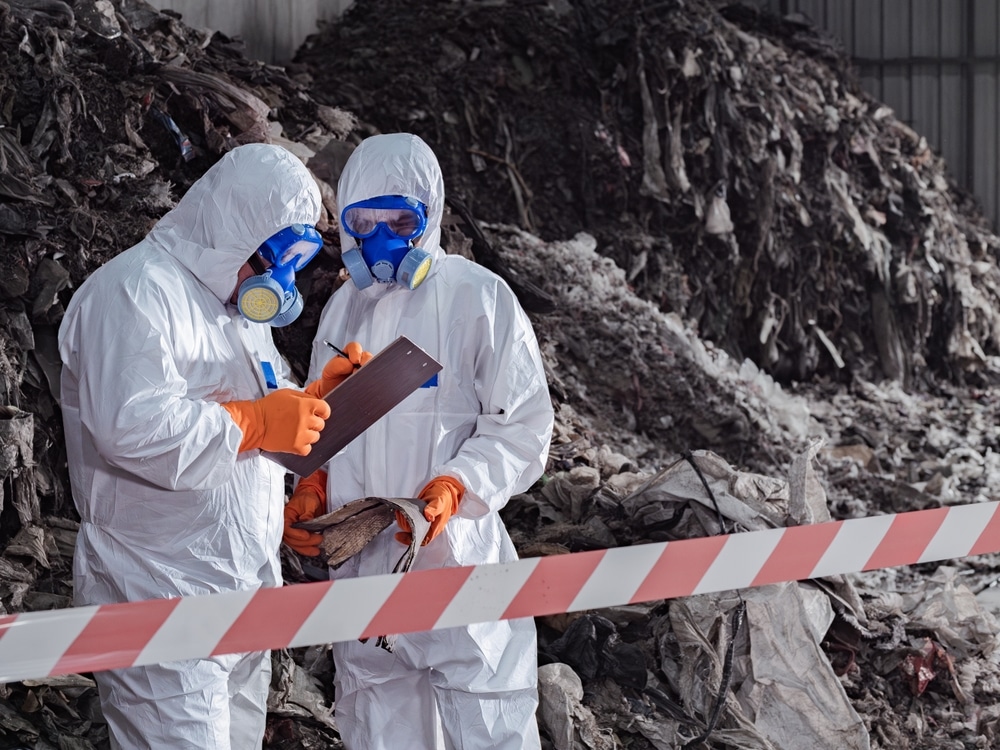
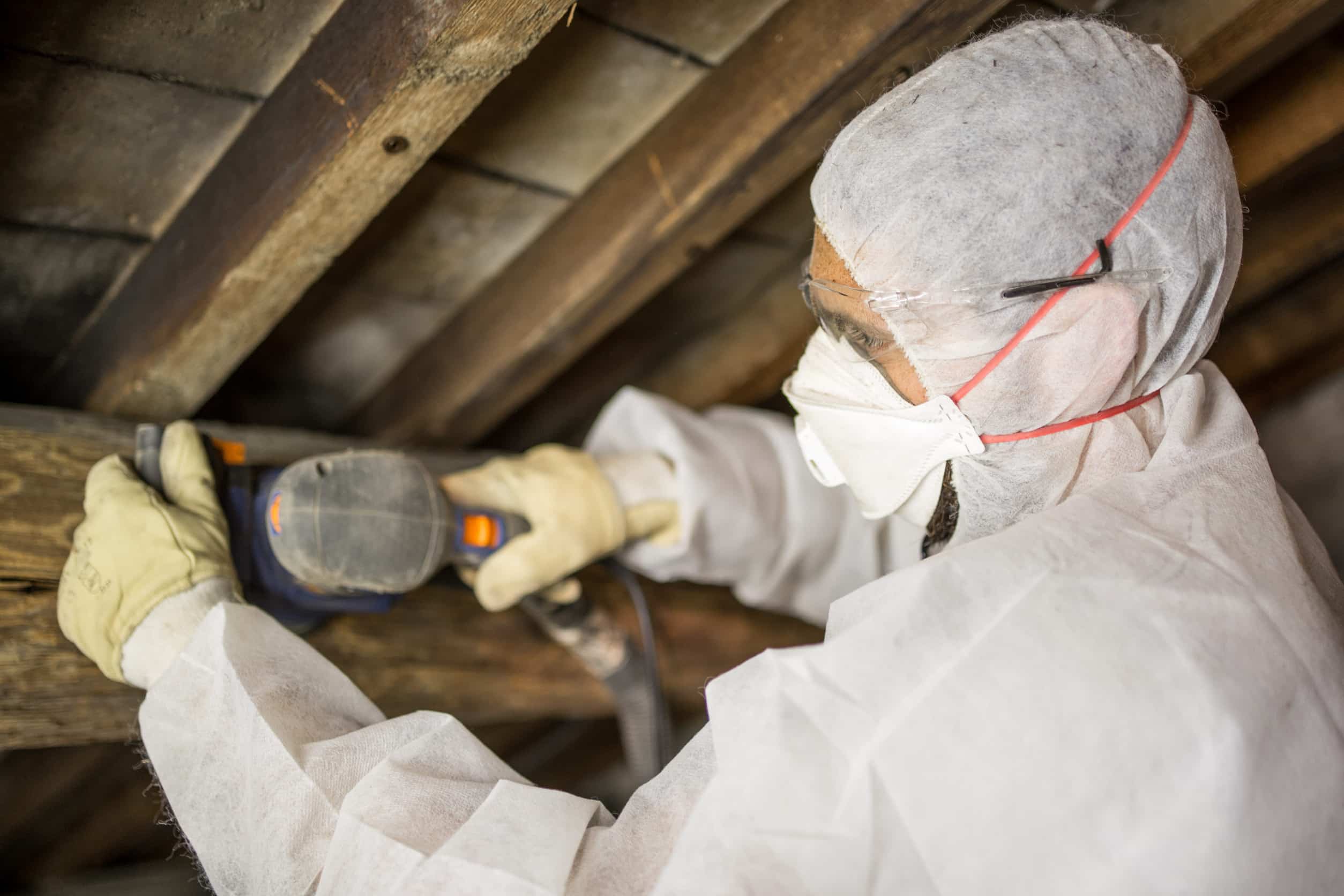
- Safe removal and disposal of asbestos
- Site cleared and levelled for the immediate next steps
- Careful planning to reduce impact on surrounding properties
What is included in commercial demolition?
Commercial demolition is the dismantling of larger business premises, such as warehouses, offices, factories, and retail spaces.
These projects require coordination with local councils, strict safety protocols, and often internal strip-outs for refurbishment projects.
Typical commercial demolition projects involve:
- The full removal of commercial buildings
- Internal demolition of partitions and other structural elements
- Compliance with NSW safety and council regulations
- Waste management and recycling, where feasible
How does site clearance prepare land for redevelopment?
Site clearance is the process of removing all rubble, debris, and unwanted structures to ready a site for new construction or landscaping. This service ensures the land is levelled, graded, and free from hazards before redevelopment begins.
- Complete removal of demolition waste and debris
- Land grading and levelling for immediate use
- Responsible disposal and recycling of materials
- Final site inspection to confirm readiness
Why is concrete removal a specialised service?
Concrete removal involves the breaking up and disposal of concrete slabs, driveways, footpaths, and other hard structures.
Specialist equipment is used to control dust, manage noise, and ensure efficient removal without damaging surrounding areas.
When is selective demolition the right choice?
Selective demolition is required when only part of a structure needs to be removed, such as for extensions, refits or renovations.
This preserves the integrity of the remaining structure while enabling targeted changes.
What are the primary demolition methods used in NSW?
The most common demolition methods in NSW include manual, mechanical, and deconstruction.
The method selected varies depending on the project type, site conditions, and safety requirements.
How does manual demolition work?
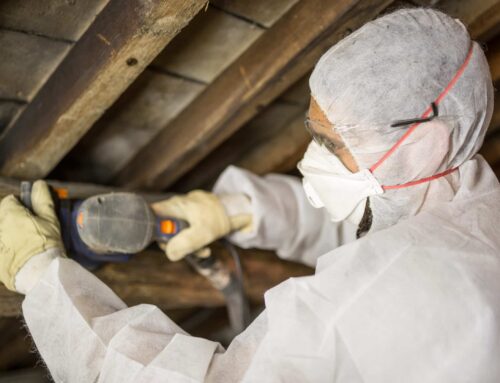
Suitable for smaller projects, confined spaces, or areas requiring high precision to protect adjacent structures. Manual work involves using hand tools to dismantle a building piece by piece.
- Suitable for small residential or internal demolition jobs
- Low noise and dust compared to mechanical methods
- Greater control over which elements are removed
- Often used in heritage or sensitive sites
What is mechanical demolition?
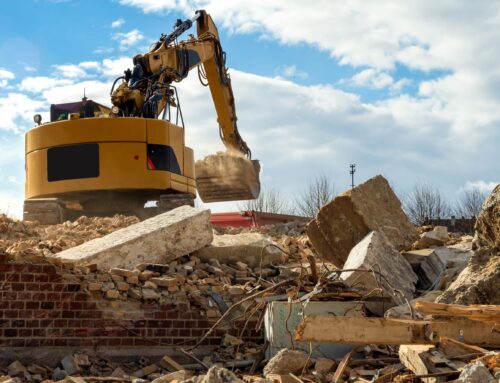
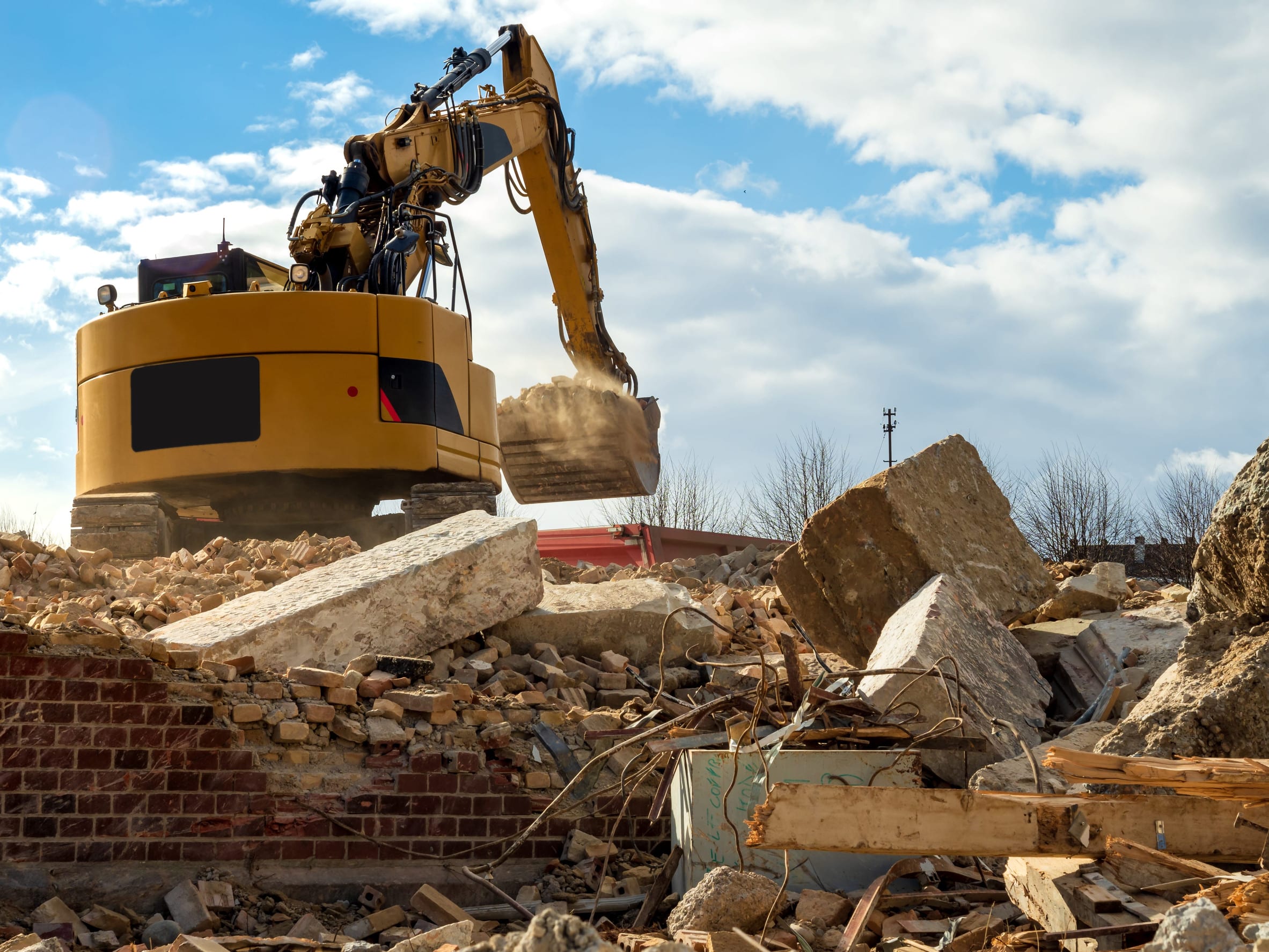
Mechanical demolition uses specialised heavy machinery, such as excavators, bulldozers, and high-reach arms, to efficiently bring down large structures. This method is faster and more cost-effective for big commercial or industrial buildings.
- Normally used for larger residential or commercial projects
- Helps with the rapid removal of entire structures
- Requires experienced operators and safety zones
What is deconstruction, and when is it used?
Deconstruction is the dismantling of a building to salvage and recycle materials such as timber, bricks, and metal.
This method is often chosen for projects with environmental targets or heritage considerations.
Frequently Asked Questions
What is the most common demolition method in NSW?
Mechanical demolition is the most common for large residential and commercial projects due to its speed and efficiency.
Is asbestos removal required before demolition?
Yes, if asbestos is present, it must be identified and removed by licensed professionals before demolition begins.
How long does a typical residential demolition take?
The timeframe varies according to the building and type of project, but residential demolitions are often completed within one to three days, depending on size and site conditions.
Can demolition waste be recycled?
Wherever possible, waste materials such as timber, concrete and some metals are sorted and taken for recycling, reducing landfill and environmental impact.
Do I need council approval for demolition in NSW?
Yes, most demolition projects require council approval or notification, especially for structural or commercial work.
About Safe Asbestos Removalists
We are Safe Asbestos Removalists, a locally owned and operated demolition and asbestos removal business serving NSW.
Our experienced, friendly team delivers straightforward, value-focused demolition services with an emphasis on safety and environmental responsibility.
Contact us today for expert advice and your free, no-obligation quote.




Leave A Comment