

Avoiding illegal dumping, project delays and unnecessary exposure starts with one clear step, arrange asbestos disposal NSW before the removal process begins.
In this guide, we explain asbestos waste disposal NSW, including landfill requirements, transport, packaging, removal responsibilities and record keeping.
Written for business owners, property managers, and construction firms that need a clear process to follow, this guide will help you understand safe, compliant asbestos disposal.
What is the legal way to dispose of asbestos in NSW?
The legal disposal process is to remove asbestos safely, package it securely, transport it without releasing fibres, and deliver it to a landfill licensed to accept asbestos waste.
Asbestos waste must not be dumped, buried, recycled, reused or placed in general waste. Landfill requirements can vary, so contact the facility before removal work begins.
What types of asbestos waste need controlled disposal?
All asbestos waste requires controlled handling. The material does not become safe simply because it has been removed from a building.
What is non-friable asbestos waste?
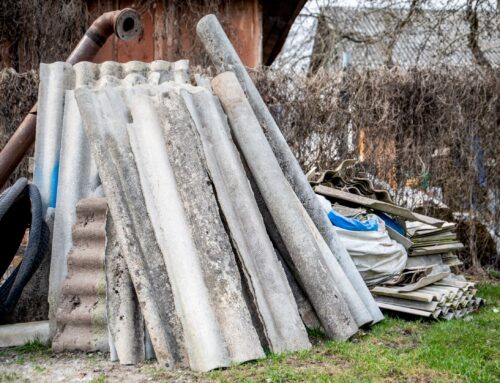
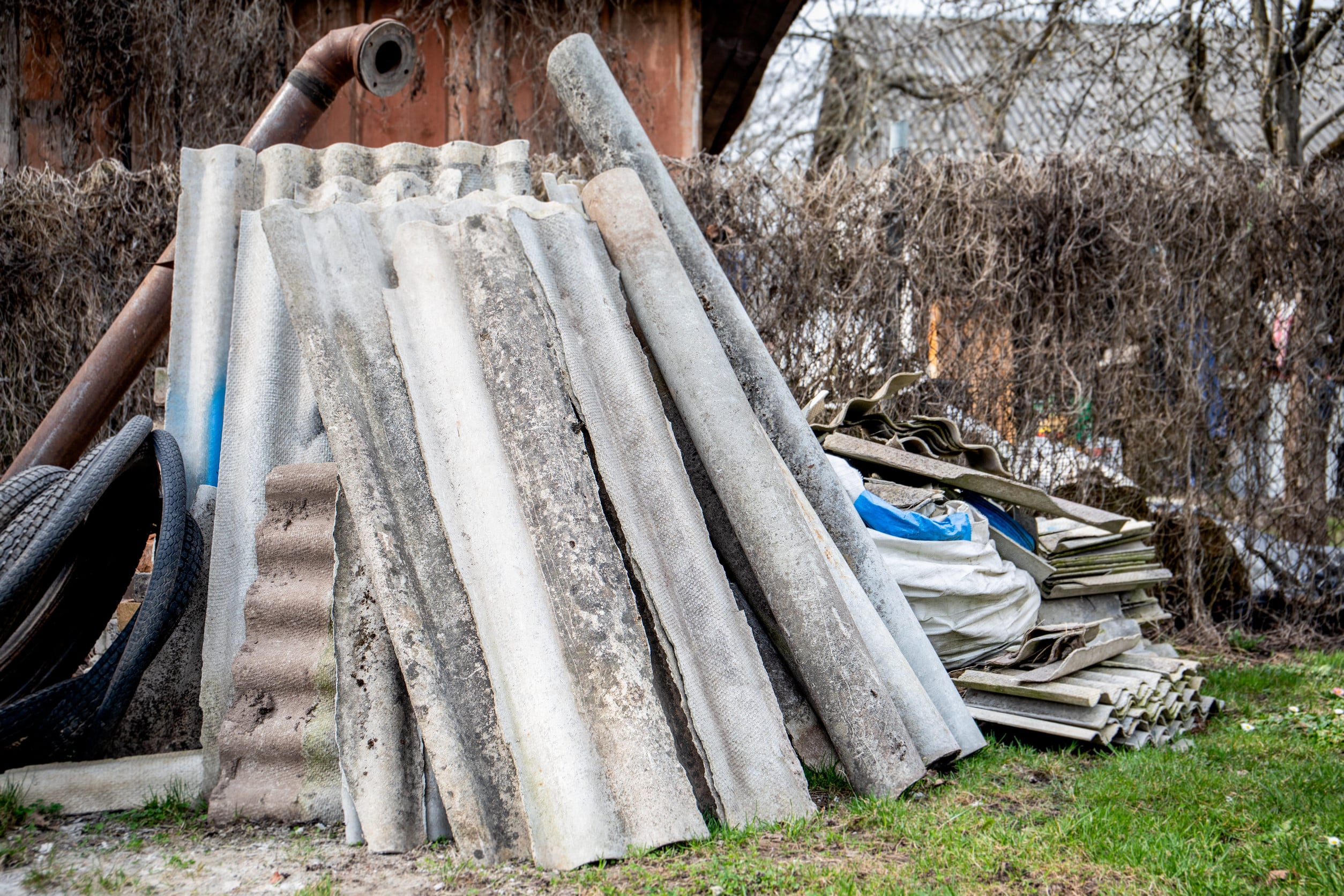
Non-friable asbestos is bonded within a solid material, such as cement sheeting, and is less likely to release fibres when it remains intact.
It can still become hazardous if it is cut, drilled or damaged. It was commonly used in roof sheets, walls, fences, and tiles.
What is friable asbestos waste?
Friable asbestos can easily crumble, be reduced to powder, or be disturbed by hand pressure. It presents a higher risk because fibres can become airborne more easily. If inhaled, the fibres can result in serious health issues.
How do you dispose of asbestos in NSW?
The safest process is to organise assessment, removal, transport and disposal as one controlled job.
How should you identify the asbestos?
Do not rely on appearance alone. Many asbestos-containing products resemble modern, asbestos-free materials.
Arrange for a licenced professional to inspect the property and take samples of suspected material for laboratory analysis.
How should you plan the disposal?
Take asbestos material only to an accredited disposal facility. Contact them to confirm opening hours and procedures for asbestos material and make sure they issue a receipt for your records.
How should asbestos waste be wrapped and labelled?
Asbestos waste must be contained so fibres cannot escape during handling and transport.
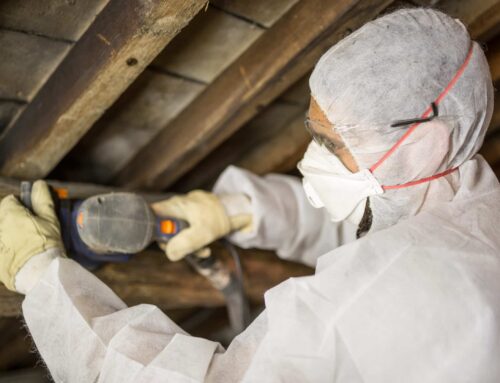
Wetting methods are generally used during the process to reduce dust, and material must be securely wrapped and labelled.
What happens at the landfill?
At the landfill, follow the facility’s asbestos disposal process. Staff may direct the vehicle to a specific unloading area or require particular documentation.
Keep your receipt as proof of compliant disposal and never reuse packaging.
Can asbestos go in a skip bin or kerbside bin?
No. Do not place asbestos in a kerbside bin or an ordinary skip bin.
An ordinary waste service is not designed to contain asbestos fibres. Placing asbestos in general waste can expose workers, drivers, members of the public and landfill staff.
Who can remove and dispose of asbestos in NSW?
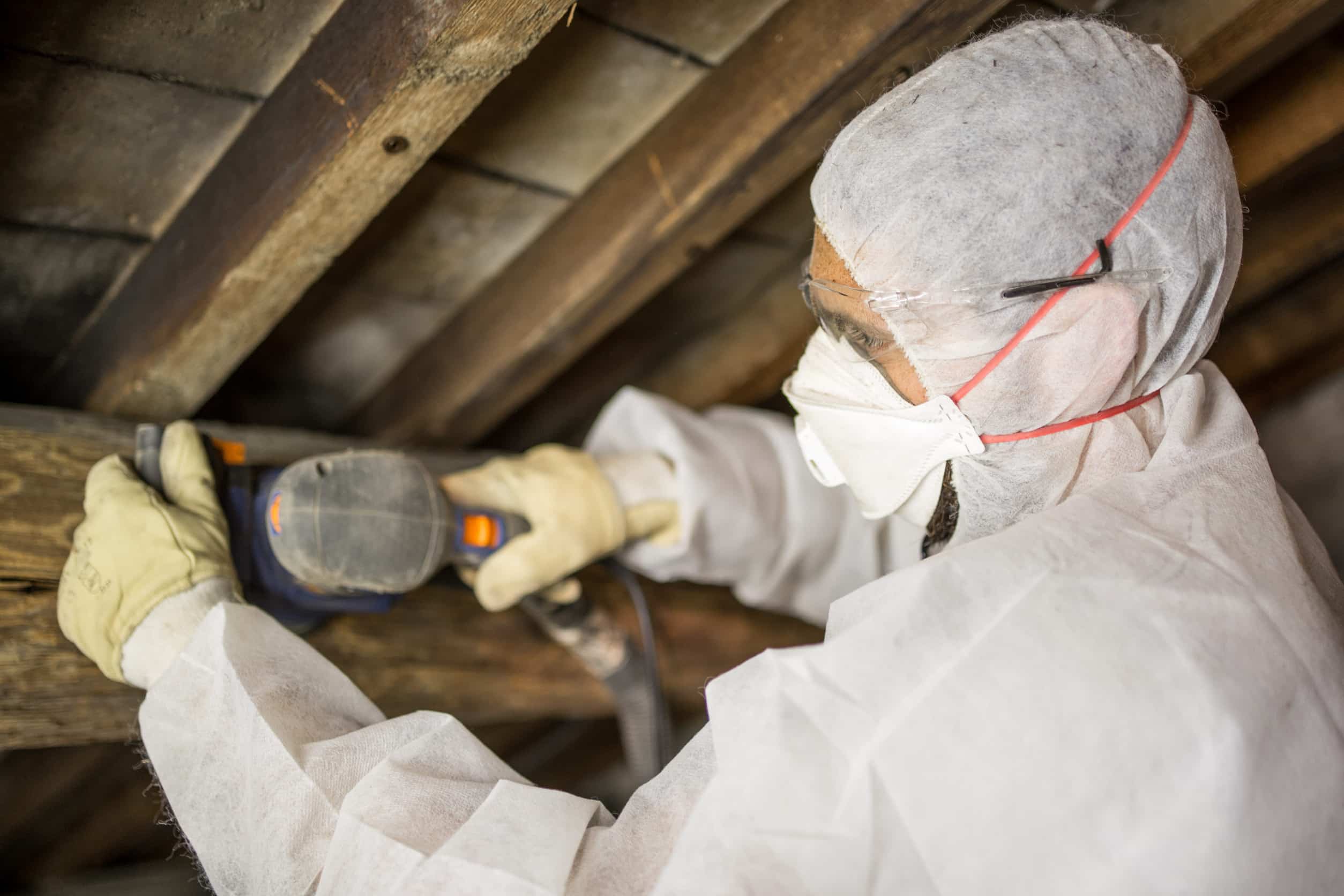
A licensed asbestos removalist is generally the safest option, particularly for commercial, industrial and construction work.
Can a homeowner remove asbestos?
A person may remove a limited amount of non-friable asbestos from their own home without a licence, provided the work is permitted, and all safety requirements are followed.
For business premises, rental properties, workplaces and construction sites, professional removal is strongly recommended. Additional duties may apply to the property owner, employer, principal contractor or person conducting the business.
When is a licensed removalist required?
Use a licensed removalist for:
- Any amount of friable asbestos.
- Larger quantities of non-friable asbestos.
- Work carried out by tradespeople.
- Commercial and industrial premises.
- Demolition or major renovation projects.
- Damaged or deteriorated materials.
- Areas where asbestos dust or debris may be present.
- Projects involving multiple workers or contractors.
A licensed professional can coordinate removal, containment, decontamination, transport and disposal.
What is the difference between removal and disposal?
Asbestos removal is the controlled process of removing asbestos-containing material from a building or site.
Asbestos disposal is the controlled process of packaging, transporting and delivering that waste to an authorised facility.
Both stages matter. Safe removal does not make disposal optional, and legal disposal cannot correct unsafe removal practices.
What are the answers to common asbestos disposal questions?
Can I take asbestos to any landfill?
No. Asbestos waste can only be taken to a landfill or waste facility licensed and authorised to accept it. Contact the facility before transport to confirm its requirements.
Can I put asbestos in a skip bin?
Not in an ordinary skip bin. Use only a service specifically approved for asbestos waste, and follow the supplier’s packaging, loading and transport instructions.
Can I remove asbestos myself?
Limited non-friable asbestos removal may be permitted on your own residential property, subject to NSW requirements. You must not remove any amount of friable asbestos without the appropriate licensed professional.
How should asbestos waste be transported?
Securely package, seal, label, and cover waste so it cannot release fibres or fall from the vehicle. Confirm the transport and delivery requirements with the receiving landfill before removal begins.
What should I do if I am unsure whether material contains asbestos?
Stop work and avoid disturbing it. Arrange assessment by a suitably qualified professional, particularly before renovation, demolition or drilling.
How to dispose of asbestos in NSW with Safe Asbestos Removalists
At Safe Asbestos Removalists, we help businesses, property managers and construction firms manage asbestos removal and asbestos waste disposal NSW.
Read our asbestos removal webpage for more information and contact us with your questions and to discuss your property. We will arrange a site visit and send your free, no-obligation quote.




Leave A Comment