

Keeping a business open during commercial asbestos removal Newcastle can solve a major problem, reducing lost trading time while still protecting people on site.
This article explains when trading can continue, the legal duties for commercial properties in Newcastle, how to manage asbestos safely without shutting the doors, and the practical steps to keep staff, customers and contractors protected.
Read on for a clear, business-friendly guide to licensed asbestos removal Newcastle that will help you make the right call.
What are the legal responsibilities for commercial asbestos in Newcastle?
Commercial properties built before 2004 can contain asbestos, so owners and managers have clear duties under workplace safety rules. These duties are not optional and apply whether the building is fully occupied, partially occupied, or used by contractors.
- Maintain a current asbestos register for the site.
- Record all known asbestos-containing materials and any suspected asbestos.
- Update the register after inspections, testing or removal works.
- Label areas where asbestos is known or suspected.
- Give suitable training to workers who may encounter asbestos.
- Arrange professional testing when asbestos is suspected.
- Use licensed asbestos removal services for removal work.
What is an asbestos register?
An asbestos register is a live site record that lists the location, condition and type of asbestos-containing material on a property. It helps building owners, property managers, and contractors make safe decisions before any work begins.
A good register should:
- Identify known and suspected asbestos.
- Note the condition of the material.
- State where the material is located.
- Be reviewed after any building works or inspection.
- Be easy for staff and contractors to access when needed.
Can a business keep trading while asbestos is removed?
Yes, it is often possible to carry out asbestos removal while trading Newcastle if the work is carefully planned and the removal zone is properly controlled. The key is to separate the work area from the occupied area so people are not exposed to asbestos fibres.
This is more likely to be possible when:
- The asbestos is non-friable and limited in scope.
- The work area can be sealed off from the rest of the site.
- Customer access can be redirected safely.
- The contractor can stage the work.
- Air monitoring and clearance procedures are in place.
What makes a site suitable for trading during removal?
A site is more suitable for continued trading when the removal works can be isolated and controlled without affecting daily operations. Small, contained projects are usually easier to manage than large or complex ones.
How do asbestos removalists keep the site safe?
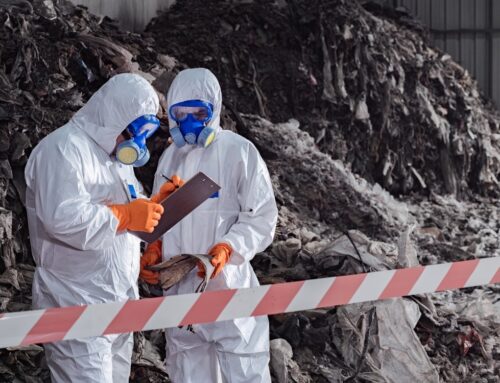
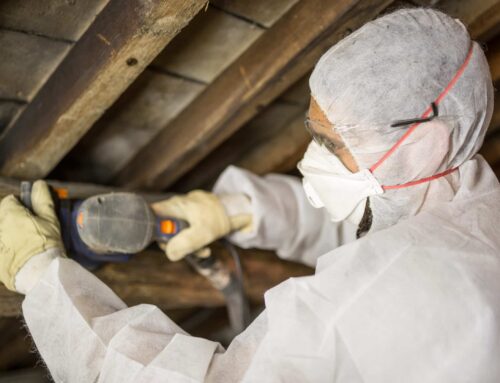
Licensed asbestos removalists use a controlled process to reduce risk and prevent contamination. Their job is not only to remove the material, but also to protect the rest of the property while work is underway.
The site should not return to normal use until the work area has been cleared by the appropriate professional and the space is considered safe.
Why is air monitoring important?
Air monitoring helps confirm whether asbestos fibres are being contained during the job. It provides reassurance that the control measures are working and that nearby occupants are not being exposed.
Air monitoring is especially useful when:
- The work is close to active business areas.
- The site is busy or has regular foot traffic.
- The removal involves a larger or more sensitive area.
- There is a need to demonstrate that the area remains safe during the works.
What should property managers and business owners do first?
The first step is to confirm whether asbestos is present and where it is located. Once that is known, the work can be planned properly, and any disruption can be kept to a minimum.
Start with these actions:
- Check whether the asbestos register is current.
- Arrange testing if the material has not been confirmed.
- Identify which areas may be affected by the work.
- Speak with a licensed removal contractor.
- Ask for a site-specific plan before work begins.
- Inform staff, tenants and other stakeholders early.
How can disruption be reduced?
Disruption can often be reduced through staged planning and clear site controls. The goal is to keep the business moving while the removal team works in a separate, well-managed area.
Common ways to maintain productivity are:
- Planning to work outside regular business hours where possible.
- Using temporary walkways or alternative entry points.
- Isolating work zones from customer areas.
- Planning noisy or dusty tasks for quieter times.
- Keeping staff updated throughout the project.
- Preparing a contingency plan for delays or unexpected findings.
What are the main risks of staying open without controls?
Staying open without proper controls can expose workers, customers and contractors to asbestos fibres. That creates a serious health risk and can also lead to compliance issues.
Main risks include:
- Fibre release into occupied areas.
- Contamination of tools, clothes or surfaces.
- Staff entering unsafe areas by mistake.
- Delays caused by stop-work directions.
Frequently asked questions
Do I have to close my business while asbestos is removed?
Not always. Many businesses can keep trading if the asbestos removal area is fully isolated and the work is carried out by licensed professionals.
Who is responsible for asbestos compliance?
The owner, manager, or person in control of the premises is generally responsible for ensuring that asbestos is identified, recorded, and managed safely.
Do staff need training?
Yes. Workers who may encounter asbestos should receive suitable training so they know how to recognise risks and respond safely.
How do I know when the area is safe again?
The area should only be returned to use after the required checks, cleaning and clearance process have been completed.
What if the asbestos is in a busy commercial area?
If the material is in a high-traffic area, additional control measures may be needed, and in some cases, a temporary closure may be the safest option.
Licensed Asbestos Removal Newcastle
At Safe Asbestos Removal Newcastle, we understand that every hour of trading matters, so we deliver safe, practical asbestos solutions that minimise disruption wherever possible.
If you need help with commercial asbestos removal Newcastle, we can assess your site, plan the work properly and help you move forward with confidence.
Contact us today to discuss your property and arrange the next step.



Leave A Comment