

This question is often asked, and the simple answer is technically yes, but only under very specific conditions.
DIY asbestos removal NSW is only permitted for the removal of a limited amount of asbestos from a property. However, the legal limits are tight, the health risks are serious, and the rules around disposal are strict.
Before you pick up a crowbar or a dust mask, here is what you need to know about safe asbestos removal Newcastle and safe, legally compliant asbestos disposal.
What Is Asbestos and Why Is It Still Found in Newcastle Homes?
During the construction boom years in Newcastle and surrounding areas, from the 1940s to the 1980s, asbestos was a common choice in residential and commercial building materials, valued for its affordability, strength and fire resistance.
Australia banned the use of asbestos in 2003, but the material still exists in millions of older properties across the country. In Newcastle and its surrounding suburbs, many homes and buildings constructed before 1990 contain asbestos products in some form.
Where Is Asbestos Commonly Found in Newcastle Properties?
If your property was built before 1990, asbestos may be present in the following locations:
- Eaves, fascias, and external wall cladding
- Internal wall and ceiling linings
- Bathroom and kitchen surrounds
- Vinyl floor tiles and tile underlay
- Roofing, gutters, and downpipes
- Pipe lagging and insulation around hot water systems
- Fencing and outbuildings such as garages and sheds
You cannot identify asbestos-containing materials by sight alone. Always have suspect materials tested by a licensed professional before attempting any work.
Can a Homeowner Legally Remove Asbestos in NSW?
Under NSW law, homeowners are permitted to remove non-friable (bonded) asbestos from their own residential property, but only if the area is less than 10 square metres. This is a firm legal limit, not a guideline.
For anything beyond 10 square metres, or for any friable asbestos, you are legally required to engage a licensed asbestos removalist. Tradespeople and contractors working on your property must also comply with NSW regulations, regardless of the volume of asbestos involved.
What Is the Difference Between Friable and Non-Friable Asbestos?
Understanding these two categories is essential before you consider any removal work.
- Non-friable (bonded) asbestos is asbestos that is firmly bound within a solid matrix, such as fibrous cement sheeting or vinyl floor tiles. It is less likely to release fibres if left undisturbed and handled carefully.
- Friable asbestos can easily be crumbled, crushed, or broken by hand pressure, releasing fine fibres into the air. This category includes loose insulation, pipe lagging, and some ceiling materials.
Friable asbestos is far more dangerous. It can only be removed by a licensed Class A asbestos removalist in NSW. No homeowner exemption applies.
What is the 10 Square Metre Rule in NSW?
The 10-square-metre rule is the legal threshold that defines what a homeowner can remove themselves. It applies only to non-friable asbestos on a residential property that you own and occupy.
Key points to understand:
- The limit is cumulative. It is not 10 square metres per job; it is 10 square metres total across the entire property.
- The rule does not apply to commercial properties, rental properties, or any work carried out by a tradesperson.
- Even within this allowance, all safety requirements, PPE use, and disposal regulations still apply in full.
What Are the Health Risks of DIY Asbestos Removal?
Asbestos-related diseases are caused by inhaling fibres released when asbestos-containing materials are disturbed, cut, drilled, sanded, or broken. These fibres can’t be seen and remain suspended in the air for hours.
Inhalation of asbestos fibres can cause the following serious, often fatal conditions:
- Mesothelioma, asbestosis, lung cancer and pleural disease
There is no safe level of asbestos exposure. Symptoms of these diseases often do not appear for 20 to 40 years after exposure, which is why the risk is often underestimated.
Why DIY Removal Carries Significant Risk
Even with good intentions and basic PPE, an untrained person is unlikely to manage asbestos removal as safely as a licensed professional. Here is why:
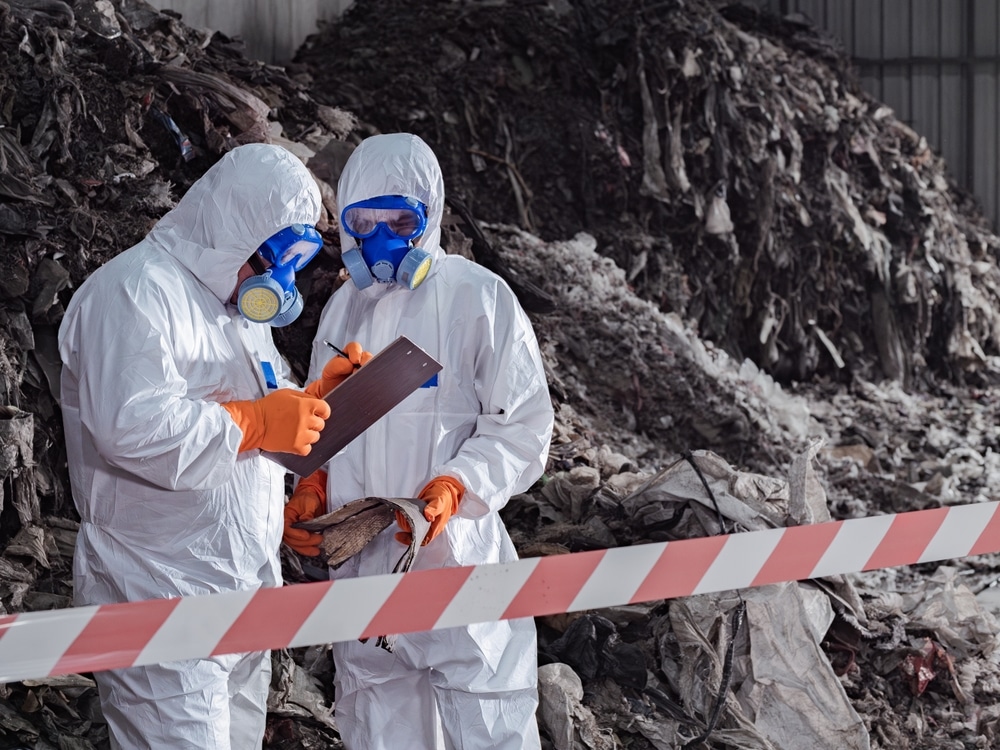
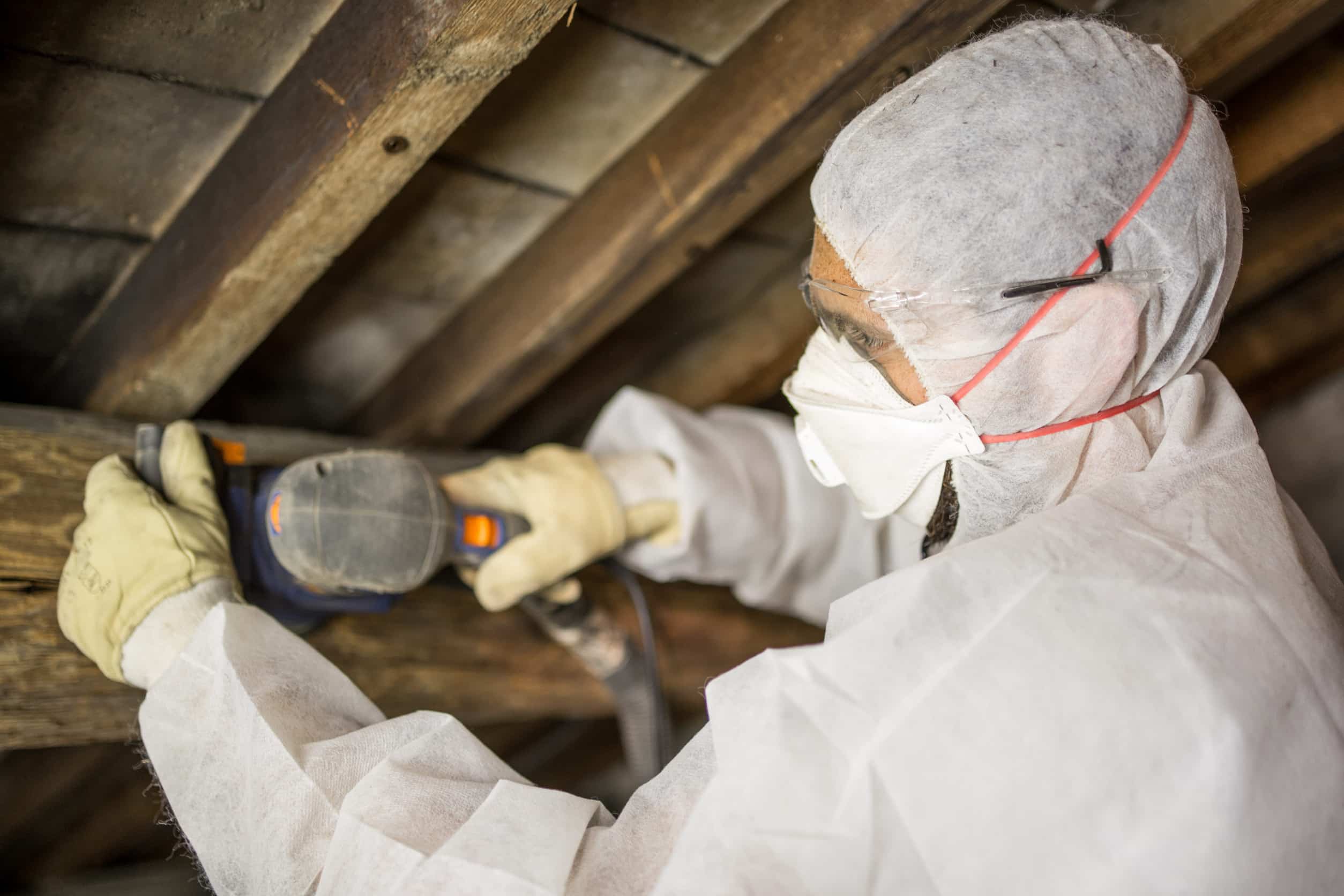
- Standard dust masks do not provide adequate protection. Proper asbestos work requires a P2 respirator, fitted correctly.
- Household tools such as angle grinders, drills, and sanders release large quantities of asbestos dust instantly.
- Wetting down materials before removal is critical to suppress fibre release, but improper wetting can make materials brittle and more likely to break.
- Cross-contamination of your home, clothing, and vehicle is a real risk without proper decontamination procedures.
What Does the Law Say About Asbestos Disposal in NSW?
Removal and disposal are two separate legal obligations. Even if you are within your rights to remove asbestos yourself, how you dispose of it is strictly regulated by the NSW Environmental Protection Authority (EPA) and SafeWork NSW.
Asbestos waste cannot be placed in your general rubbish bin, a skip bin, or dropped at a regular council facility.
Legal Disposal Requirements in NSW
The following requirements apply to anyone disposing of asbestos waste in NSW:
- Asbestos waste must be double-wrapped in heavy-duty, 0.2 mm-thick plastic sheeting and sealed with tape
- Each package must be clearly labelled as asbestos waste
- Waste must only be transported to a landfill licensed to accept asbestos
- Large quantities require an asbestos waste tracking document during transport
- Vehicles used to transport asbestos must be decontaminated afterwards
Contact the receiving facility before you arrive to confirm their procedures, booking requirements, and any applicable fees.
Where Can Asbestos Waste Be Disposed of in Newcastle?
Not all waste facilities accept asbestos. In the Newcastle region, asbestos waste must be taken to an EPA-approved licensed facility. Your local council can advise on the nearest approved site, and SafeWork NSW maintains resources to help you identify compliant disposal locations.
Always call ahead. Facilities may have specific booking requirements, accept asbestos only on designated days, or have volume limits for drop-off.
What Are the Penalties for Illegal Asbestos Disposal in NSW?
Disposing of asbestos incorrectly is a serious offence under NSW law. Penalties apply to both individuals and businesses.
- Individuals can face fines of more than $7,500 for non-compliant disposal
- Companies and contractors can face fines of $15,000 or more
- Illegal dumping of asbestos can result in prosecution and significantly higher penalties
These fines exist because illegal asbestos disposal puts public health and the environment at risk. Asbestos fibres do not break down in the environment and remain hazardous indefinitely.
When Should You Always Use a Licensed Asbestos Removalist?
There are situations where DIY removal is not an option, regardless of your preference. A licensed asbestos removalist is legally required in the following circumstances:
- The total area of non-friable asbestos exceeds 10 square metres
- Any friable asbestos is involved, regardless of quantity
- The property is commercial, industrial, or a rental
- A tradesperson or contractor is performing the work
- Asbestos is found in a deteriorated or damaged condition
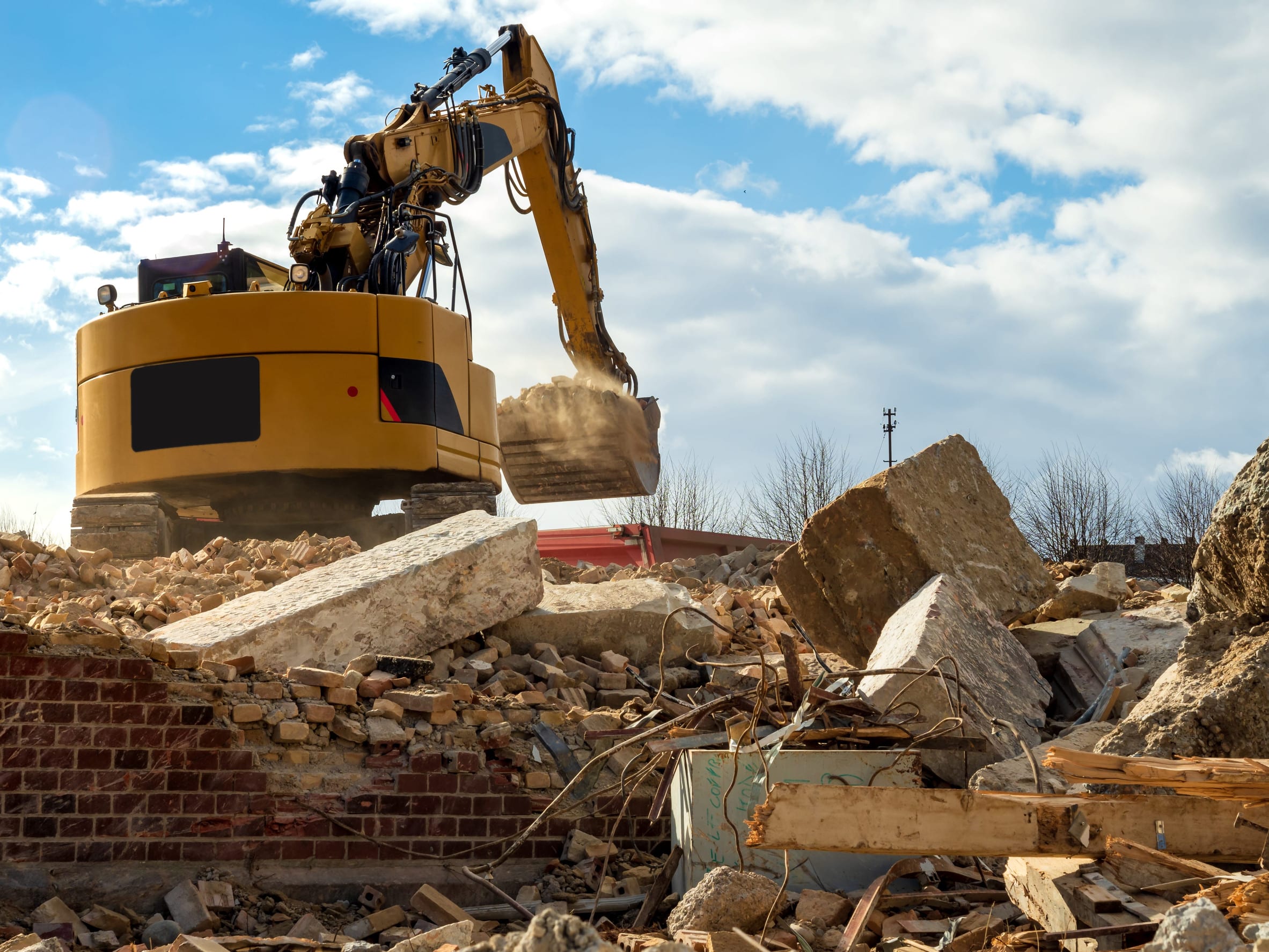
- The work involves demolition or major renovation
If you are unsure whether your material is friable or non-friable, treat it as friable until a professional has assessed it.
What Does a Licensed Asbestos Removal Process Involve?
When you engage a licensed removalist, the process follows a structured, legally compliant approach:
- Site inspection and asbestos assessment
- Preparation of an asbestos removal plan
- Notification of neighbours and establishment of a controlled work zone
- Safe removal using appropriate PPE and wetting techniques
- Double-wrapping, labelling, and secure containment of all waste
- Licensed transport to an approved disposal facility
- Site decontamination and clearance inspection
DIY vs. Licensed Removal: A Practical Comparison

Frequently Asked Questions About DIY Asbestos Removal NSW
Can I remove asbestos from my own home in Newcastle?
Yes, if the material is non-friable and the area is less than 10 square metres. You must follow strict safety and disposal procedures.
Do I need a permit to remove asbestos myself in NSW?
No formal permit is required for homeowner removal within the legal limits, but you must comply with all SafeWork NSW safety requirements and EPA disposal regulations.
Can I put asbestos in a skip bin?
No. Asbestos waste must never be placed in a general skip bin. It must be disposed of only at a licensed facility, properly wrapped and labelled.
What PPE do I need for DIY asbestos removal?
At minimum, you will need a correctly fitted P2 disposable respirator, disposable coveralls, rubber gloves, and safety goggles. All disposable PPE must be treated as asbestos waste after use.
How We Can Help With Asbestos Removal in Newcastle
At Safe Asbestos Removal Newcastle, we are a locally owned and operated business serving Newcastle and its suburbs. We understand that dealing with asbestos can be stressful, and we are here to make the process as straightforward as possible.
Whether you are a homeowner who has found suspect materials during a renovation, a property manager with compliance obligations, or a construction contractor requiring licensed asbestos removal before a project begins, we handle everything from the initial inspection through to asbestos disposal in full compliance with asbestos disposal rules NSW.
For the locals’ choice in asbestos removal and disposal in Newcastle, contact us today for a straightforward quote and professional advice you can trust.
Check out our web pages for more information:
Asbestos Removal Newcastle
|
Asbestos Disposal Newcastle



Leave A Comment