

Asbestos testing NSW is one of the most-searched topics for homeowners and builders who suspect they may have found hazardous material on their property.
The short answer is this: you cannot test for asbestos yourself using a home kit. True testing only happens in an accredited laboratory.
In some situations, you can collect a sample yourself, but knowing when that is safe and when it is not is critical to your health and the health of your family or anyone who may use the building.
What Is Asbestos and Why Does It Matter in NSW?
Asbestos is a mineral fibre that was popular in Australian building products until it was fully banned in 2003. In NSW, any home built or renovated before 1987 most likely contains some form of asbestos-containing material (ACM).
If undisturbed and in good condition, asbestos may be low risk. If materials are damaged or disturbed during renovation, demolition, or general maintenance work, the fibres can become airborne and be inhaled, causing serious diseases, including mesothelioma, lung cancer, and asbestosis.
NSW has strict laws governing asbestos inspection, removal, and disposal to protect the community and the environment.
Where Is Asbestos Commonly Found in NSW Homes?
In older NSW properties, asbestos-containing materials may include:
- Fibro (fibrous cement) sheeting is used on walls and ceilings
- Roof sheeting and guttering
- Floor tiles and backing materials
- Window putty and eaves
- Pipe lagging and insulation
- Textured ceiling coatings (including “popcorn” ceilings)
- Brake linings and gaskets in older machinery
If your property was built before 1990, treat any suspicious material as asbestos until proven otherwise.
Can You Test for Asbestos Yourself?
No. Asbestos cannot be identified by appearance alone, and no home testing kit can give you a definitive answer. The only way to confirm the presence of asbestos is via testing at an accredited laboratory.
So-called DIY asbestos test kits sold at hardware stores do not test for asbestos at all. They are sample collection kits, nothing more. Testing still takes place in a NATA-accredited laboratory.
What Is a DIY Asbestos Test Kit?
A DIY asbestos test kit typically contains:
- A disposable dust mask
- Gloves and coverings
- Sample containers
- Prepaid or standard packaging for mailing to a lab
- Instructions for safe sample collection
The kit helps you collect a small sample from a suspected material and send it to a laboratory for analysis. Results from a NATA-accredited lab typically come back within a few business days. Laboratory testing costs generally range from $40 to $140 per sample.
Is Collecting Your Own Sample Safe?
In some low-risk situations, it is possible to collect a sample yourself, provided the material is:
- Non-friable (meaning it cannot be crumbled by hand)
- In reasonable condition with no visible damage or deterioration
- Easily accessible without disturbing surrounding materials
If you do collect a sample yourself, follow these steps:
- Make sure no other people are in the area
- Close doors and windows to limit air movement
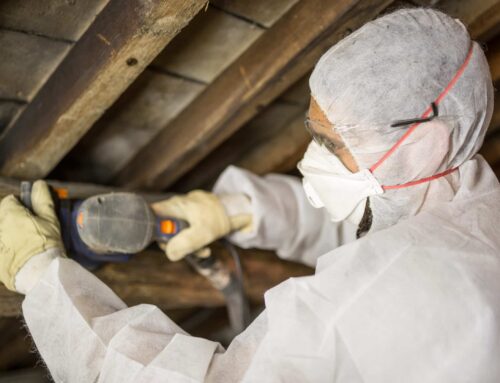
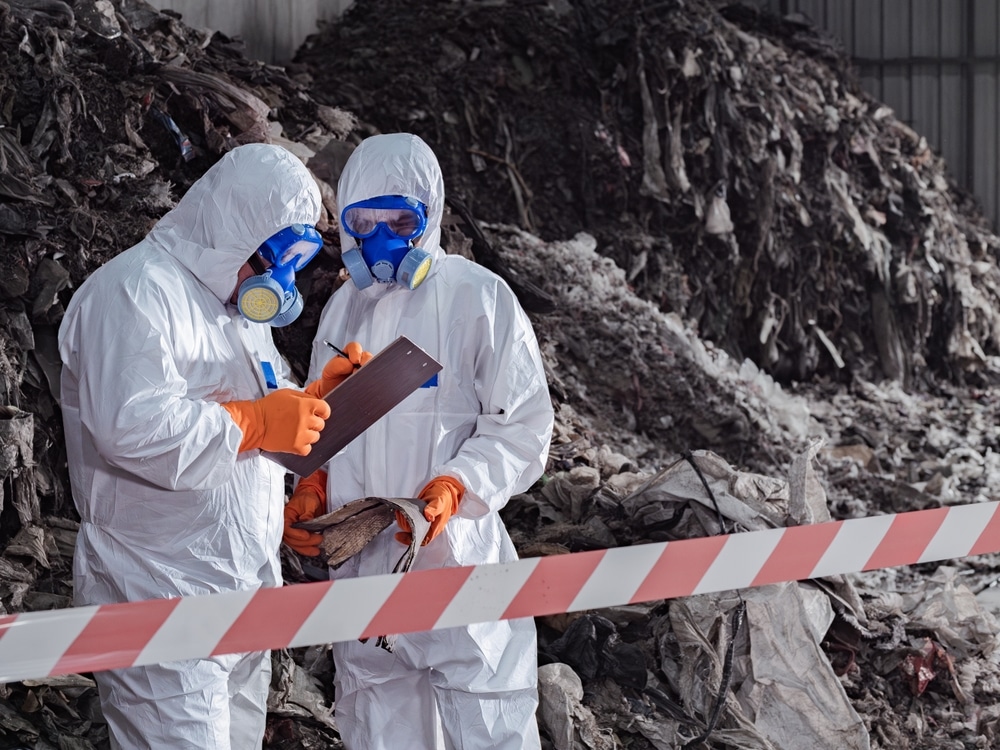
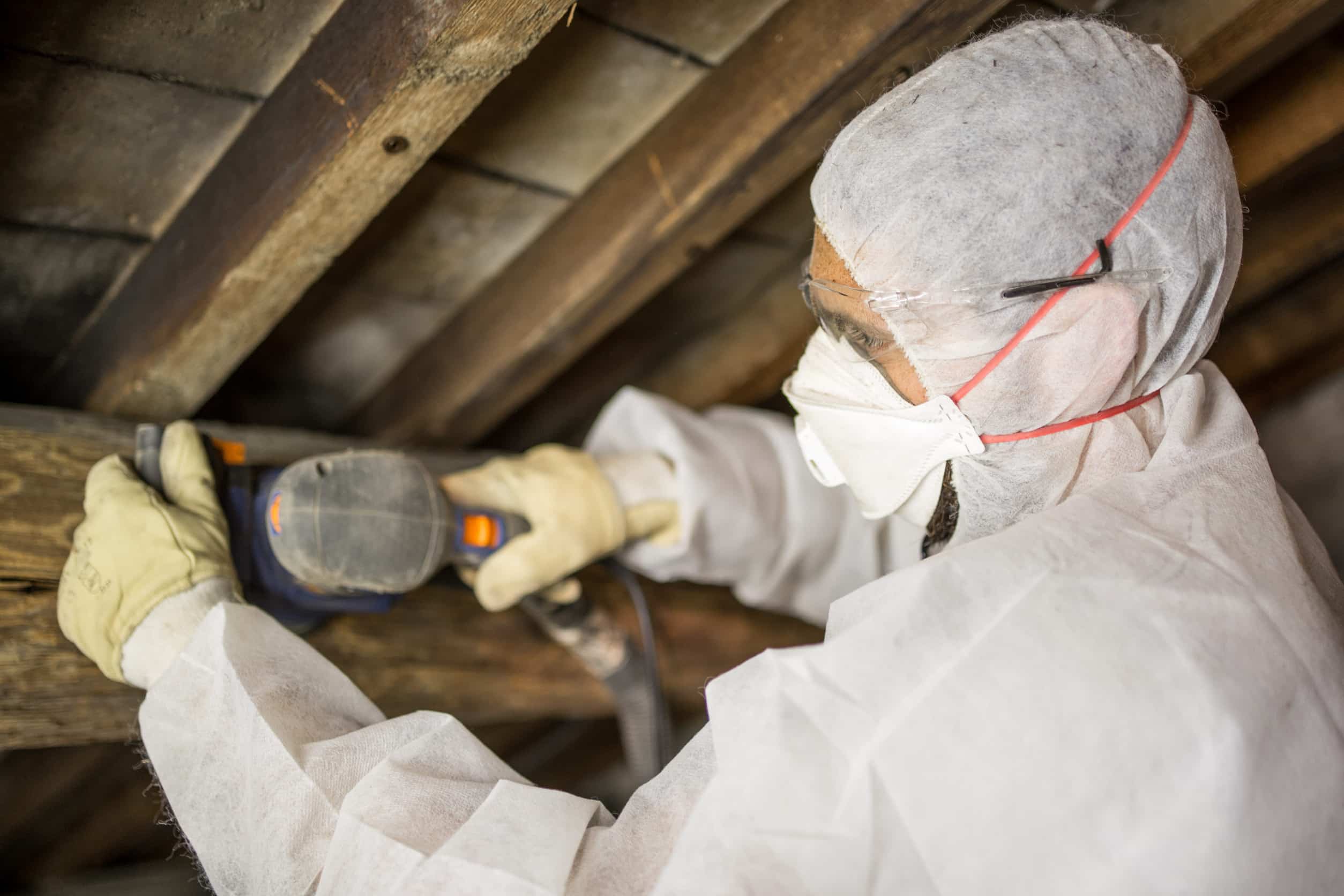
- Put on all PPE, including a P2 mask, gloves, and coveralls
- Lightly dampen the surface with water before cutting to reduce dust
- Cut or chip a small piece, roughly the size of a 20-cent coin
- Place it directly into a sealed container
- Wipe the surrounding area with damp paper towels
Do not use power tools, sanding equipment, or anything that will create dust or break the material apart.
When Should You Always Use a Licensed Professional?
Self-sampling is really not recommended. However, you must engage a licensed professional when:
- The material appears friable (crumbles or flakes easily)
- There is visible damage, water staining, or deterioration
- The material is in a hard-to-reach or confined space
- You are dealing with ceiling insulation, sprayed coatings, or pipe lagging
- The property is a workplace or commercial site
- You need a legally compliant result for a sale, renovation, or demolition
If at any point you are unsure, stop immediately and call a licensed assessor.
IMPORTANT NOTE: If you disturb or even touch friable asbestos, fibres may become airborne and be inhaled by you or anyone else who enters the area. This often results in serious, sometimes fatal diseases.
It is safer to have your building inspected by a Licensed Asbestos Assessor.
What Is a Licensed Asbestos Assessor?
A licensed asbestos assessor is a qualified professional who can legally inspect, sample, and assess asbestos-containing materials on your property. They are trained to identify ACMs that may not be obvious to an untrained eye, and they follow strict safety procedures during sampling.
Their assessment results carry legal weight, which is important if you are:
- Buying or selling a property
- Planning a renovation or demolition
- Managing a commercial or industrial site
- Responding to a SafeWork NSW investigation
You can find a licensed asbestos assessor through the SafeWork NSW website.
What Is a NATA-Accredited Laboratory?
A NATA-accredited laboratory meets nationally recognised standards for scientific testing. For asbestos, a Certificate of Analysis from a NATA-accredited lab is the only legally accepted form of result in NSW.
When choosing a lab or assessor, always confirm that their results are endorsed by NATA. Results from non-accredited sources are not recognised under NSW law.
What Are the NSW Legal Requirements for Asbestos Testing?
NSW law does not require you to test for asbestos before owning a property. However, there are clear legal obligations once you plan to disturb, remove, or demolish materials that may contain asbestos.
Key legal points in NSW include:
- You may remove up to 10m² of non-friable asbestos, but you must adhere to strict safety guidelines
- Removal of any quantity of friable asbestos requires a Class A licensed removalist
- Removing more than 10m² of non-friable asbestos requires a Class B licence or above
- Licensed asbestos removalists must notify SafeWork NSW at least five calendar days before starting licensed removal work
- Disposal must comply with SafeWork NSW, the EPA, and local council regulations
Ignoring these obligations can result in serious fines and, more importantly, serious health risks to you, your family, and your neighbours.
Friable vs Non-Friable Asbestos: What Is the Difference?
Understanding the type of asbestos in your property directly affects how it must be managed.

Friable asbestos is significantly more dangerous because fibres are released into the air far more easily. Never attempt to sample or disturb friable material yourself.
How Much Does Professional Asbestos Testing Cost in NSW?
NSW asbestos testing is probably less costly than you expect. Here is a simple guide:
- Analysis of samples at a NATA laboratory, per sample: $40 to $140
- Professional occupational hygienist inspection: varies by property size and location
- Licensed asbestos assessor site inspection: varies, but typically starts at a few hundred dollars
- Full pre-demolition asbestos audit: cost varies based on property size and complexity
Paying for a proper professional inspection before starting renovation or demolition work is always cheaper than dealing with an accidental asbestos exposure incident or a SafeWork NSW investigation after the fact.
Is a Professional Inspection Worth It?
Yes. A professional inspection gives you:
- A legally compliant Certificate of Analysis from a NATA-accredited lab
- Clear identification of all ACMs across the property
- An asbestos register (required for most commercial properties)
- Advice on whether removal is necessary and how to proceed safely
- Clearance certification after removal is completed
For homeowners planning renovations, the inspection pays for itself many times over in risk reduction alone.
What Happens After a Positive Asbestos Test?
If your sample tests positive for asbestos, the next steps depend on the type of asbestos, its condition, and your plans for the property.
Options include:
- Leave it in place if it is non-friable, in good condition, and will not be disturbed (encapsulation may be appropriate)
- Seal or encapsulate the material using a licensed professional
- Remove the material using a Class A or Class B licensed removalist
Do not attempt removal yourself unless you are certain the material is non-friable, the area is smaller than 10m², and you follow all SafeWork NSW guidelines precisely.
Frequently Asked Questions
Can I identify asbestos by looking at it?
No. Asbestos cannot be identified visually. Only laboratory testing can confirm its presence.
Are DIY asbestos test kits available in NSW?
Yes, some hardware stores have very basic sample collection kits, and some councils offer free kits to residents. However, these are collection tools only, and the sample still requires laboratory analysis.
How long does asbestos testing take?
Results from a NATA-accredited laboratory typically take a few business days after the sample is received. Some providers offer faster turnaround.
Do I need to test before selling or buying a property in NSW?
There is no legal requirement to test before a sale, but it is strongly advisable, especially for properties built before 1990. A standard building and pest inspection will not confirm the presence of asbestos.
What is the difference between an asbestos inspection and asbestos testing?
An asbestos inspection is a visual assessment of your property to identify materials that may contain asbestos. Asbestos testing involves collecting a physical sample and having it analysed in a laboratory to confirm whether asbestos is present.
Who can legally remove asbestos in NSW?
Removal of friable asbestos requires a Class A licence. The removal of non-friable asbestos, if the quantity is more than 10m², requires a Class B licence. Small quantities of non-friable asbestos, under 10 m², may be removed by an unlicensed person, provided strict safety guidelines are followed.
Speak to a Licensed Asbestos Professional in NSW
At Safe Asbestos Removalist, we have been helping NSW homeowners, property managers, and construction firms manage and remove asbestos safely for over 20 years. We are fully licensed and council-compliant, and we understand exactly what is required under NSW law.
Whether you need a site inspection, laboratory testing, professional removal, or compliant disposal, we handle it all.
If you suspect asbestos on your property, do not guess and do not take risks. Contact us today for a free quote and straightforward advice. Our team is ready to help you manage the situation safely, efficiently, and in full compliance with NSW regulations.
Visit our asbestos testing web page to learn more about how we handle safe and legal asbestos inspections across NSW.


Leave A Comment