
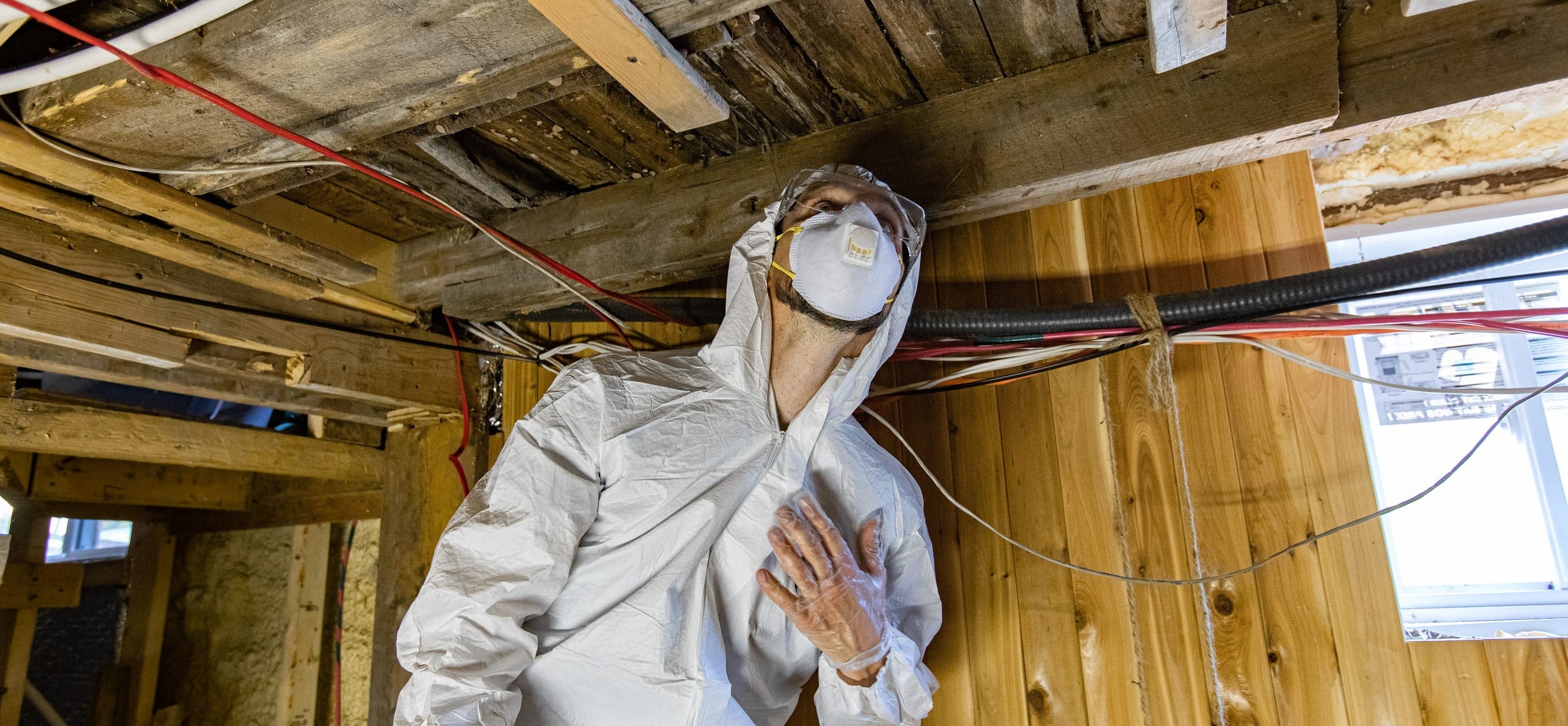
Asbestos exposure does not always lead to illness, which can provide many people with a real sense of relief.
This article explains when asbestos exposure may or may not cause harm, what raises the risk, asbestos exposure symptoms, and how to respond if a home, workplace, or building project has been disturbed.
Read on to understand low-risk exposure and why the best option is always to arrange for professional, safe asbestos removal.
Can You Be Exposed To Asbestos And Never Get Sick?
Yes, it is possible to be exposed to asbestos and never get sick. In fact, many people exposed to asbestos do not develop an asbestos-related disease, especially after a brief or low-level exposure.
That said, no exposure is considered completely safe because asbestos fibres can cause serious disease if they are inhaled and remain in the lungs. The risk is usually driven by how much asbestos was disturbed, how long the exposure lasted, and whether the material released fibres into the air.
What Determines The Health Risk From Asbestos Exposure?
The main factor is dose. The more fibres someone breathes in, the greater the risk of developing an asbestos-related disease later in life.
The other major factor is duration. People who develop serious illness often have a history of repeated or prolonged exposure, especially in older workplaces where asbestos controls were limited.
The main risk factors are
- Higher fibre release from disturbed materials.
- Longer exposure time.
- Repeated exposure over months or years.
- Smoking, which greatly increases the risk of lung cancer following asbestos exposure.
- The person’s general lung health and biology.
Why timing matters
Asbestos-related disease often has a long latency period with symptoms not appearing for 10 to 50 years after exposure, so a person can feel well for a long time even after a significant incident.
Why Do Some People Stay Well After Asbestos Exposure?
The body clears many inhaled particles before they do lasting harm. Mucus and cilia in the airways help move dust and foreign material out of the respiratory system, which means not every inhaled fibre stays in the lungs.
This is one reason why a brief exposure does not always lead to disease. A person may inhale a small amount of fibre, but the body may remove much of it before it causes damage.
You must realise:
- Feeling fine does not prove there was no exposure.
- Having no symptoms now does not rule out future risk.
- Risk is lower after low-level, short-term exposure, but it is never zero.
What Symptoms Should You Watch For After Exposure?
Most asbestos-related diseases do not cause immediate symptoms. When symptoms do appear, they often affect breathing and chest comfort, and they may show up many years after the exposure.
Possible warning signs include:
- Shortness of breath.
- A persistent cough.
- Chest pain.
- Reduced exercise tolerance.
- Unexplained weight loss.
- Frequent chest infections.
These symptoms do not automatically mean asbestos disease, but they should be checked by a doctor, especially if there was known exposure.
What Should You Do If You May Have Been Exposed?
If you think asbestos fibres may have been released, act quickly and calmly. The goal is to prevent further exposure and to keep the material undisturbed.
- Leave the area or stop the job.
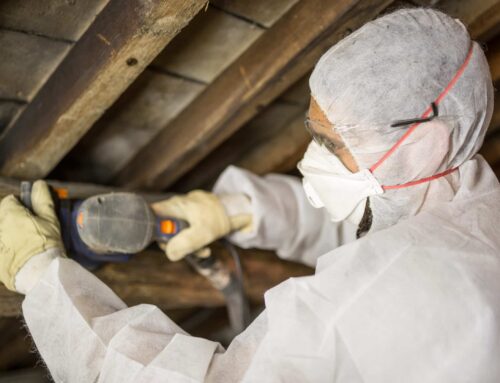
- Do not sweep, sand, drill, vacuum, or wash the material with high-pressure tools.
- Keep other people away from the site.
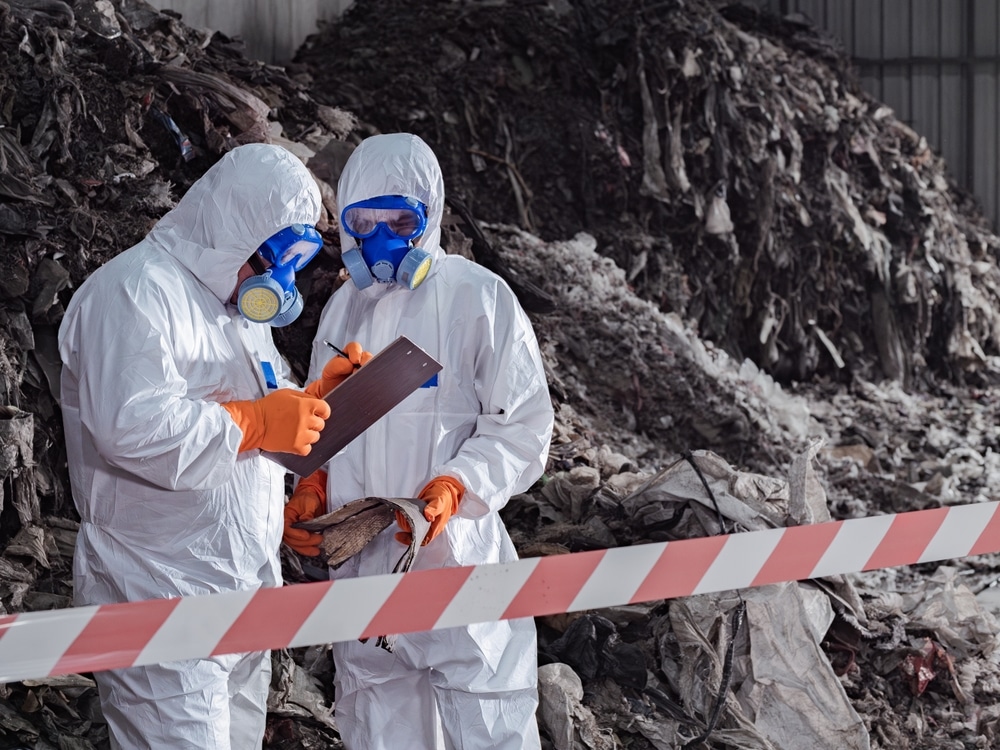
- Arrange an assessment by a licensed asbestos professional.
- Tell your doctor about the exposure if you are worried about your health.
- Keep notes on where, when, and how the exposure happened.
How can you make sure your home is safe again?
The safest way to restore a property is to confirm whether asbestos is present, assess the condition of the material, and remove it properly if needed.
A practical process usually looks like this:
- Inspect the area and identify likely asbestos-containing materials.
- Test suspected material through a suitable laboratory pathway.
- Decide whether the material should remain, be sealed, or be removed.
- Use licensed removalists where required, or where the risk justifies it.
- Obtain clearance before reoccupation where licensed work has been completed.
When Should A Licensed Asbestos Removalist Be Used?
A licensed asbestos removalist may only be used for friable asbestos and larger bonded asbestos jobs, and SafeWork NSW recommends using a licensed professional for any amount of asbestos, as disturbance can create risk.
This is especially important for:
- Renovations in older homes.
- Bathroom and kitchen strip-outs.
- Roofing and wall sheet removal.
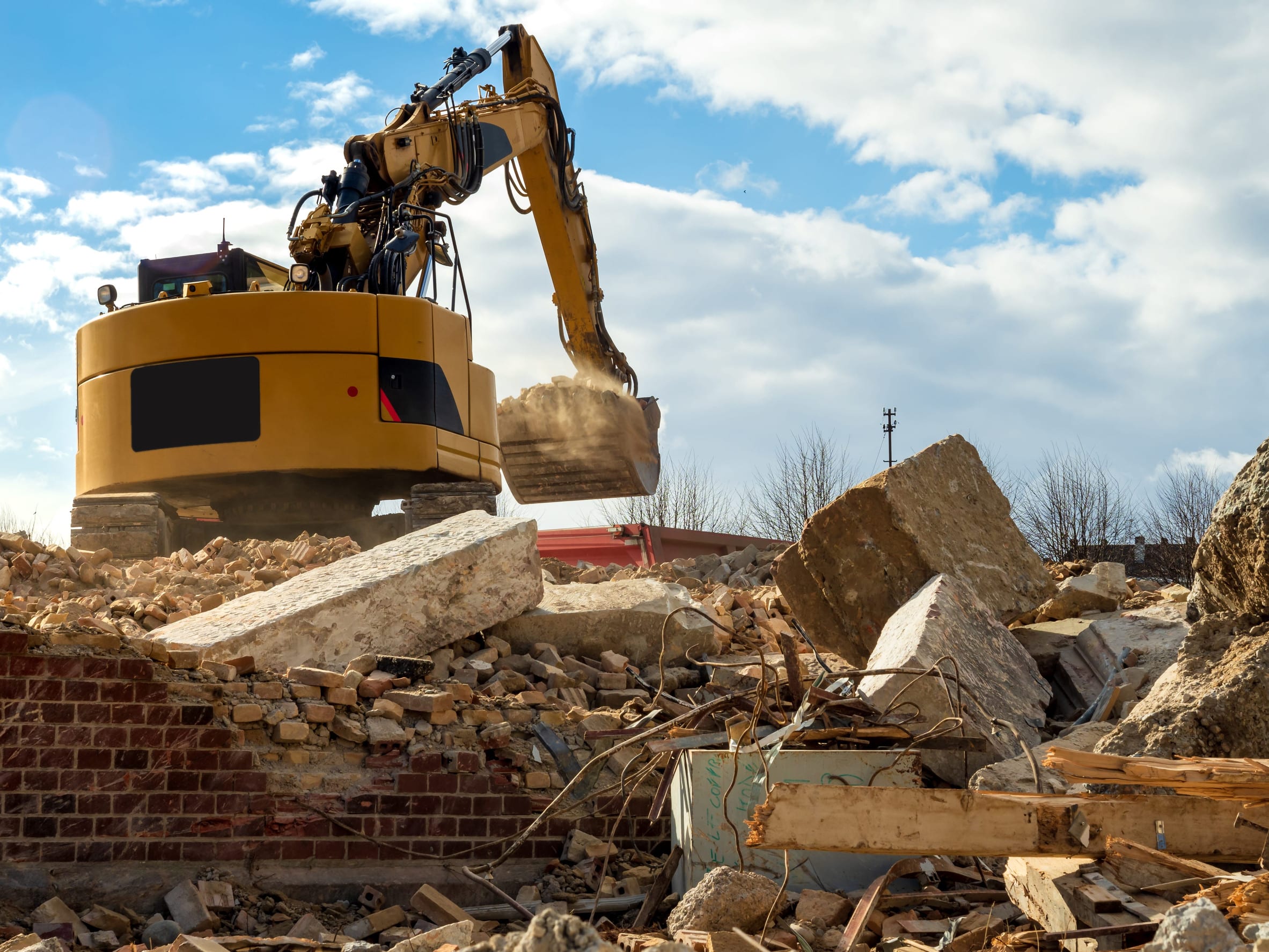
- Demolition projects.
- Fire or storm damaged buildings.
- Commercial or multi-unit properties.
What Are The Most Common Asbestos Safety Mistakes?
The biggest mistake is treating asbestos like ordinary building dust. Once disturbed, the fibres can become airborne, creating a much higher risk.
Common mistakes include:
- Cutting or sanding fibre cement sheeting.
- Using power tools on suspected asbestos materials.
- Pressure washing asbestos roofs.
- Leaving debris loose on site.
- Failing to seal and label waste properly.
- Skipping clearance checks after removal.
Frequently Asked Questions
Can low-level asbestos exposure still cause illness?
Yes, low-level exposure can still carry some risk, but the risk is generally much lower than with repeated or heavy exposure.
How long after exposure can asbestos disease appear?
It can take many years for symptoms to appear, often decades after exposure.
Should I see a doctor after one asbestos incident?
If the exposure was significant, or if you are worried, it is sensible to tell your doctor what happened so they can decide whether any monitoring is needed.
Can asbestos in good condition be left alone?
Yes, asbestos in good condition and left undisturbed generally poses much less risk than damaged material.
Is smoking more dangerous if I was exposed to asbestos?
Yes, smoking and asbestos exposure together increase lung cancer risk more than asbestos exposure alone.
How Safe Asbestos Removal Newcastle can help?
If you need asbestos checked, removed, or cleared from a home or worksite in Newcastle or the surrounding suburbs, Safe Asbestos Removal Newcastle can help make the process straightforward and safe.
We handle each job carefully, communicate clearly, and focus on protecting people and property and ensuring legal compliance from start to finish.
If you suspect your property needs asbestos removal Newcastle, contact us today to arrange a professional assessment and safe next steps.


Leave A Comment