
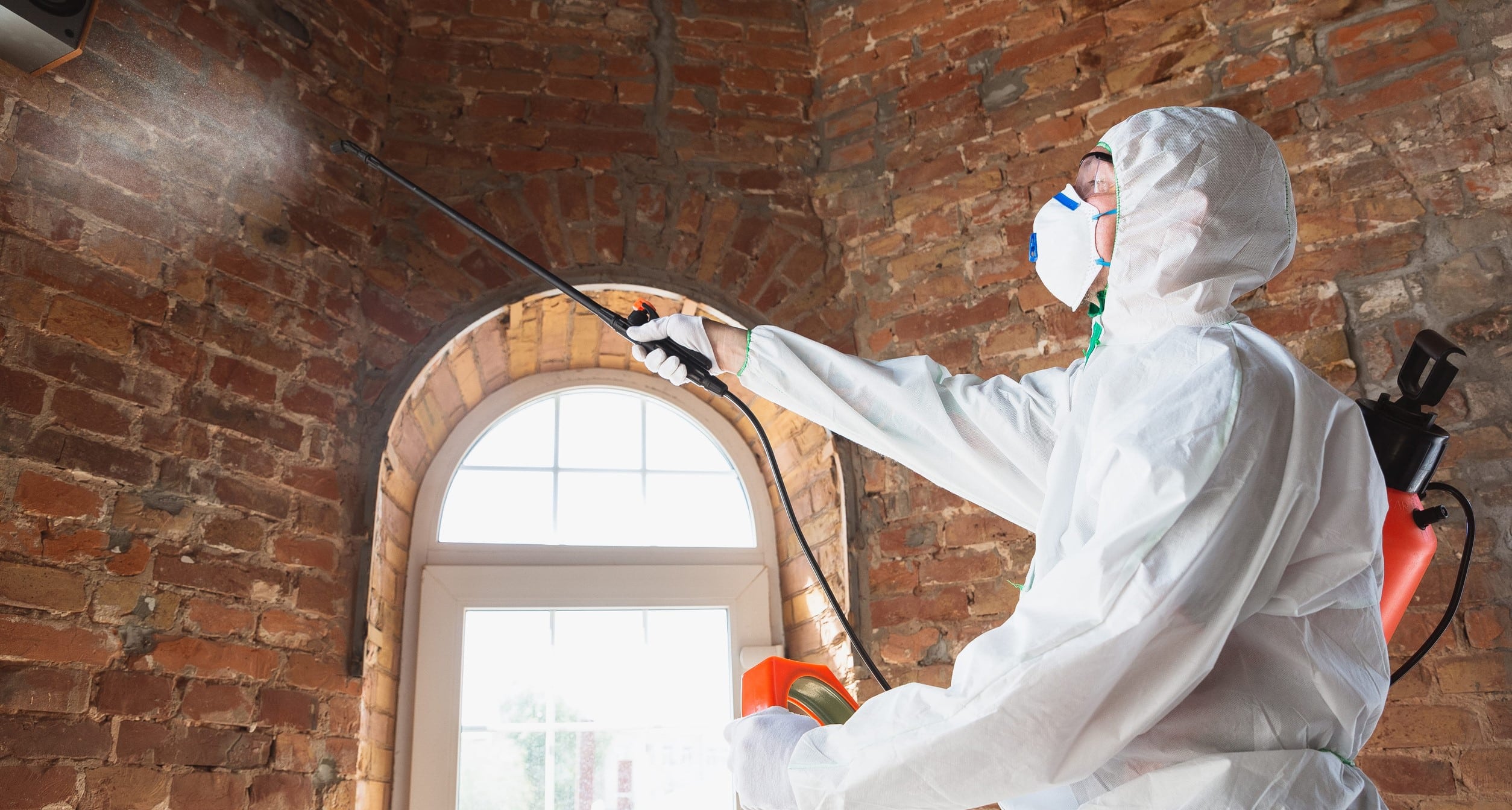
A property built in the 1970s may still have asbestos-containing materials and be a health risk for you, your family and others.
This article explains the background, the main risks, what testing and asbestos removal NSW look like, and how to safely and legally dispose of asbestos waste.
We discuss practical concerns for owners, families, visitors, neighbours, property managers, and demolition teams, so you can decide whether asbestos testing NSW will produce peace of mind for your household.
Would A House Built In The 1970s Have Asbestos In Australia?
Yes, a house built in the 1970s could very well contain asbestos, especially in common building materials used across Australia before the 1980s. NSW guidance says homes built before the mid-1980s are highly likely to contain asbestos, while homes built between the mid-1980s and 1990 may still contain it. Asbestos was not fully banned in Australia until 31 December 2003, so older materials may still be present in homes built before then.
Why does the construction year matter?
The build date provides a strong first clue, as asbestos was widely used in domestic building products for decades. A 1970s house sits squarely in the period when asbestos cement products, wall sheeting, roof sheets, flooring, and insulation-related materials were still common. That means you should treat the property as asbestos-affected until proven otherwise.
What Are The Risks?
When asbestos is disturbed or damaged, fibres can become airborne and may be inhaled, creating a health risk.
What are the risks for me?
For property owners, the risk usually comes from exposure during maintenance, drilling, sanding, or demolition work. NSW guidance says that even when a person is legally allowed to remove small amounts themselves, asbestos removal remains a health risk and requires planning, preparation, and strict safety standards. A wrong decision can create a larger clean-up and compliance problem later.
How can you tell if it is asbestos?
You cannot confirm asbestos by appearance alone. A professional site inspection and testing is the only way to confirm the presence of asbestos. If the property was built in the 1970s and has not already been documented with an asbestos register, assume suspect materials may be present until sampled and tested.
What signs should you look for?
Useful warning signs include:
- Older cement sheet walls or ceilings.
- Textured or sheeted bathroom linings.
- Vinyl tiles or backing in kitchens and laundries.
- Fibre cement eaves, cladding, and fences.
- Roof sheets that look like old cement products.
- Piping or insulation in roof spaces or service areas.
When should you stop work?
Stop immediately if you uncover broken sheeting, dusty debris, or any material you suspect may contain asbestos. Do not sweep, sand, cut, or pressure wash the area. The safest next step is to isolate the area and arrange professional advice and testing.
What Is The Safest Path Forward?
The safest path is to identify the material, assess the risk, and then manage or remove it under appropriate controls. NSW recommends using a licensed asbestos removalist for any amount of friable asbestos, and for more than 10 square metres of non-friable asbestos. Even when the law allows limited self-removal, using a licensed professional is still strongly recommended.
What does professional asbestos testing involve?
Professional testing usually follows these steps:
- Inspect the suspect materials.
- Take a controlled sample, or identify a sampling plan.
- Send the sample to an accredited laboratory.
- Review the result and determine the next action.
- Update the site plan, register, or works scope if needed.
Testing is useful before renovation, sale, leasing, demolition, or major maintenance.
How does asbestos removal happen?
NSW guidance says licensed removal is required for friable asbestos and for larger amounts of non-friable asbestos. Asbestos-containing materials are securely packaged, with warning labels.
What about safe asbestos disposal?
Asbestos waste must be disposed of in a landfill licensed to accept it. It should be transported in line with NSW rules, with care taken to keep the material contained from the point of removal to final disposal.
Frequently asked questions
Can I remove asbestos from a 1970s house myself?
In NSW, a homeowner can remove less than 10m2 of non-friable asbestos, but it is still a health risk and must be done with care. Friable asbestos and larger quantities of non-friable asbestos may only ever be handled by a licensed asbestos removalist.
Does all asbestos have to be removed?
Not always. If asbestos is in good condition and left undisturbed, it may be managed in place, but any damaged, deteriorated, or work-affected material needs proper assessment. The right answer depends on the condition, location, and the planned works.
How much does asbestos testing cost?
NSW guidance states that scientific testing at a NATA-accredited laboratory generally costs between $40 and $140 per sample. The final cost depends on how many samples are needed and whether a site inspection is included.
Is asbestos dangerous if it is not damaged?
Undamaged asbestos is less likely to release fibres, but it still needs to be treated carefully. The risk rises sharply when the material is drilled, cut, broken, or removed without controls.
Who should I call first?
For suspect asbestos in a 1970s property, the best first step is to arrange professional testing or a licensed asbestos assessment. That gives you a clear answer before you plan renovation, maintenance, demolition, or handover.
Need Asbestos Handled Safely In NSW?
If you suspect asbestos in a house built in the 1970s, contact us at Safe Asbestos Removalists today.
Unfortunately, your house should be considered likely to contain asbestos until asbestos testing in NSW has taken place.
Ensure the ongoing safety of your family and neighbours. We have licenced professionals to carry out safe asbestos removal NSW. We are friendly, approachable experts. Have a chat with our team at Safe Asbestos Removalists to discuss your site and arrange the right solution for you.



Leave A Comment